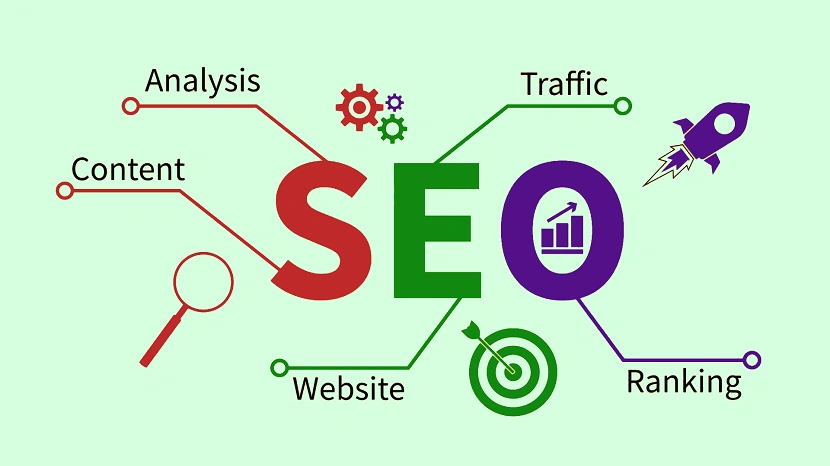

Importance of SEO Audits for Businesses Website. In the modern digital world, a business website is more than just an online presence. It serves as a marketing tool, a communication platform, and often the first interaction potential customers have with a brand. However, having a website alone is not enough. Businesses must ensure their websites are optimized for search engines, user experience, and performance. This is where SEO audits become essential.
An SEO audit is a comprehensive analysis of a website’s search engine optimization performance. It helps identify issues that may prevent a website from ranking well on search engines like Google and Bing. At Kenlink Technologies, we understand that regular SEO audits are critical for maintaining a healthy and competitive online presence.
Businesses that invest in SEO audits gain valuable insights into their website’s strengths, weaknesses, and opportunities for improvement. This article explores the importance of SEO audits for business websites and why every company should prioritize them.
What Is an SEO Audit?
An SEO audit is the process of evaluating a website to determine how well it performs in search engines. It involves analyzing technical SEO, on-page SEO, off-page SEO, content quality, user experience, and website performance.
The goal of an SEO audit is to identify problems that may affect:
- Search engine rankings
- Website traffic
- User engagement
- Lead generation
- Conversion rates
SEO audits provide businesses with a roadmap for improving website performance and achieving better online visibility.
Why SEO Audits Are Important for Businesses
Search engines continuously update their algorithms to provide users with better search results. A website that performed well last year may struggle today if it has not adapted to these changes.
SEO audits help businesses:
- Stay updated with search engine requirements
- Improve website rankings
- Increase organic traffic
- Enhance user experience
- Identify technical issues
- Improve website security
- Maximize return on investment
Without regular SEO audits, businesses risk losing visibility, customers, and revenue to competitors.
Identifying Technical SEO Issues
Technical SEO forms the foundation of a successful website. Even the best content may fail to rank if technical problems prevent search engines from properly crawling and indexing the website.
SEO audits help identify technical issues such as:
- Broken links
- Slow page speed
- Crawl errors
- Duplicate content
- Missing XML sitemaps
- Incorrect redirects
- Mobile usability problems
- HTTPS security issues
Fixing these technical problems improves website performance and ensures search engines can access important pages efficiently.
For example, a slow-loading website may frustrate visitors and increase bounce rates, negatively affecting search rankings.
Improving Website Performance
Website speed and performance directly influence user experience and SEO rankings. Visitors expect websites to load quickly, especially on mobile devices.
SEO audits evaluate performance metrics such as:
- Page loading speed
- Core Web Vitals
- Mobile responsiveness
- Server performance
- Image optimization
Businesses can use audit findings to optimize website speed by:
- Compressing images
- Reducing unnecessary scripts
- Using caching techniques
- Improving hosting services
A faster website improves customer satisfaction and increases the likelihood of conversions.
Enhancing User Experience
Search engines prioritize websites that provide a positive user experience. SEO audits help businesses understand how users interact with their websites and identify areas that need improvement.
User experience factors analyzed during audits include:
- Website navigation
- Mobile usability
- Readability
- Layout structure
- Internal linking
- Accessibility
When users can navigate a website easily and find information quickly, they are more likely to stay longer and engage with the content.
Good user experience also contributes to better rankings because search engines reward websites that meet user expectations.
Evaluating Content Quality
Content is one of the most important aspects of SEO. High-quality content helps businesses attract traffic, educate customers, and build authority in their industry.
An SEO audit examines:
- Content relevance
- Keyword optimization
- Duplicate content
- Thin content
- Content structure
- Readability
- Internal linking opportunities
Businesses often discover outdated or underperforming content during audits. Updating and improving existing content can significantly boost rankings and traffic.
Content audits also help businesses identify keyword opportunities that can drive additional organic traffic.
Monitoring Keyword Performance
Keywords help search engines understand website content and match it with user searches. SEO audits analyze keyword performance to determine whether a business is targeting the right search terms.
Keyword analysis includes:
- Current rankings
- Search volume
- Keyword difficulty
- Competitor rankings
- Long-tail keyword opportunities
Businesses can use this information to refine their SEO strategies and focus on keywords that generate qualified traffic.
Targeting the right keywords increases visibility and helps businesses attract potential customers actively searching for their products or services.
Strengthening Website Security
Website security is an important ranking factor. Search engines prioritize secure websites to protect users from cyber threats.
SEO audits help identify security vulnerabilities such as:
- Missing SSL certificates
- Malware issues
- Outdated plugins
- Weak security configurations
A secure website builds trust with visitors and improves search engine credibility.
Websites without HTTPS security may display warning messages that discourage users from continuing to browse.
Detecting Indexing and Crawlability Problems
Search engines use bots to crawl and index websites. If important pages cannot be crawled or indexed properly, they may not appear in search results.
SEO audits identify crawlability issues such as:
- Blocked pages
- Incorrect robots.txt settings
- Noindex tags
- Redirect loops
- Orphan pages
Fixing indexing problems ensures that search engines can discover and rank the website’s content effectively.
Businesses that overlook crawlability issues may lose valuable organic traffic without realizing it.
Improving Mobile SEO
Mobile internet usage continues to grow rapidly worldwide. Google also uses mobile-first indexing, meaning it primarily evaluates the mobile version of a website for ranking purposes.
SEO audits assess mobile performance by checking:
- Mobile responsiveness
- Touch-friendly navigation
- Mobile page speed
- Mobile usability errors
Businesses that optimize their websites for mobile users improve customer experience and gain better search rankings.
A mobile-friendly website also increases engagement and conversion opportunities.
Analyzing Backlink Profiles
Backlinks are links from external websites pointing to your website. They are considered a major ranking factor because they signal authority and trustworthiness.
An SEO audit evaluates:
- Number of backlinks
- Quality of referring domains
- Toxic backlinks
- Anchor text usage
- Link diversity
Businesses can identify harmful backlinks that may negatively impact rankings and develop strategies for acquiring high-quality links.
Strong backlink profiles improve domain authority and search engine visibility.
Understanding Competitor Performance
SEO audits also involve competitor analysis. Businesses can compare their SEO performance against competitors to identify opportunities and gaps.
Competitor analysis includes:
- Keyword comparisons
- Content performance
- Backlink analysis
- Technical SEO strengths
- User experience strategies
Understanding competitor strategies helps businesses create more effective SEO campaigns and stay competitive in their industry.
Rather than copying competitors, businesses should focus on offering better value and unique content.
Supporting Local SEO Success
For businesses targeting local customers, local SEO is extremely important. SEO audits help improve local search visibility by evaluating:
- Google Business Profile optimization
- Local keyword rankings
- NAP consistency (Name, Address, Phone Number)
- Local citations
- Customer reviews
Businesses with strong local SEO appear more prominently in location-based searches and Google Maps results.
This increases visibility among nearby customers searching for relevant services or products.
Increasing Organic Traffic
One of the biggest benefits of SEO audits is increased organic traffic. By fixing technical issues, optimizing content, and improving keyword targeting, businesses can attract more visitors from search engines.
Organic traffic is valuable because it:
- Generates long-term results
- Reduces dependence on paid advertising
- Increases brand credibility
- Delivers high-intent visitors
Regular SEO audits help businesses maintain and grow organic visibility over time.
Improving Conversion Rates
SEO is not just about traffic. It is also about converting visitors into customers.
SEO audits help businesses improve conversion rates by analyzing:
- Landing page performance
- Call-to-action effectiveness
- User behavior
- Page design
- Content relevance
Businesses can use audit insights to optimize customer journeys and encourage more inquiries, sales, or sign-ups.
Higher conversions lead to better return on investment from SEO efforts.
Adapting to Algorithm Updates
Search engines frequently update their algorithms to improve search result quality. These updates can significantly affect website rankings.
SEO audits help businesses identify areas impacted by algorithm changes and adjust strategies accordingly.
Regular audits ensure that websites remain compliant with current SEO best practices and avoid penalties.
Businesses that ignore algorithm updates may experience sudden traffic drops and ranking losses.
Preventing Long-Term SEO Problems
Small SEO issues can become major problems if left unresolved. Regular SEO audits help businesses detect issues early before they negatively impact rankings and performance.
Preventive SEO maintenance includes:
- Monitoring technical health
- Updating outdated content
- Fixing broken links
- Removing duplicate pages
- Improving security
Proactive SEO management saves businesses time and resources in the long run.
How Often Should Businesses Conduct SEO Audits?
The frequency of SEO audits depends on the size and complexity of the website.
General recommendations include:
- Small websites: every 6 to 12 months
- Medium-sized websites: every 3 to 6 months
- Large or ecommerce websites: monthly or quarterly
Businesses should also conduct audits after:
- Major website redesigns
- Algorithm updates
- Significant traffic drops
- Content migrations
Consistent auditing helps maintain strong SEO performance.
Choosing the Right SEO Audit Partner
Conducting a comprehensive SEO audit requires expertise, tools, and experience. Businesses often benefit from working with professional SEO agencies that understand current best practices.
At Kenlink Technologies, we provide detailed SEO audits that help businesses identify opportunities, improve rankings, and strengthen their online presence.
Professional SEO audits offer actionable recommendations tailored to specific business goals and industries.
Conclusion
SEO audits are essential for maintaining a healthy, high-performing business website. They help identify technical issues, improve content quality, enhance user experience, strengthen security, and increase search engine visibility.
In today’s competitive digital environment, businesses cannot afford to ignore SEO performance. Regular SEO audits provide valuable insights that help companies adapt to changing search engine algorithms, stay ahead of competitors, and achieve long-term online success.
At Kenlink Technologies, we help businesses optimize their websites through professional SEO audits and effective digital marketing strategies. By investing in regular SEO audits, businesses can improve their rankings, attract more customers, and maximize their online growth potential. In the modern digital world, a business website is more than just an online presence. It serves as a marketing tool, a communication platform, and often the first interaction potential customers have with a brand. However, having a website alone is not enough. Businesses must ensure their websites are optimized for search engines, user experience, and performance. This is where SEO audits become essential.
An SEO audit is a comprehensive analysis of a website’s search engine optimization performance. It helps identify issues that may prevent a website from ranking well on search engines like Google and Bing. At Kenlink Technologies, we understand that regular SEO audits are critical for maintaining a healthy and competitive online presence.
Businesses that invest in SEO audits gain valuable insights into their website’s strengths, weaknesses, and opportunities for improvement. This article explores the importance of SEO audits for business websites and why every company should prioritize them.
What Is an SEO Audit?
An SEO audit is the process of evaluating a website to determine how well it performs in search engines. It involves analyzing technical SEO, on-page SEO, off-page SEO, content quality, user experience, and website performance.
The goal of an SEO audit is to identify problems that may affect:
- Search engine rankings
- Website traffic
- User engagement
- Lead generation
- Conversion rates
SEO audits provide businesses with a roadmap for improving website performance and achieving better online visibility.
Why SEO Audits Are Important for Businesses
Search engines continuously update their algorithms to provide users with better search results. A website that performed well last year may struggle today if it has not adapted to these changes.
SEO audits help businesses:
- Stay updated with search engine requirements
- Improve website rankings
- Increase organic traffic
- Enhance user experience
- Identify technical issues
- Improve website security
- Maximize return on investment
Without regular SEO audits, businesses risk losing visibility, customers, and revenue to competitors.
Identifying Technical SEO Issues
Technical SEO forms the foundation of a successful website. Even the best content may fail to rank if technical problems prevent search engines from properly crawling and indexing the website.
SEO audits help identify technical issues such as:
- Broken links
- Slow page speed
- Crawl errors
- Duplicate content
- Missing XML sitemaps
- Incorrect redirects
- Mobile usability problems
- HTTPS security issues
Fixing these technical problems improves website performance and ensures search engines can access important pages efficiently.
For example, a slow-loading website may frustrate visitors and increase bounce rates, negatively affecting search rankings.
Improving Website Performance
Website speed and performance directly influence user experience and SEO rankings. Visitors expect websites to load quickly, especially on mobile devices.
SEO audits evaluate performance metrics such as:
- Page loading speed
- Core Web Vitals
- Mobile responsiveness
- Server performance
- Image optimization
Businesses can use audit findings to optimize website speed by:
- Compressing images
- Reducing unnecessary scripts
- Using caching techniques
- Improving hosting services
A faster website improves customer satisfaction and increases the likelihood of conversions.
Enhancing User Experience
Search engines prioritize websites that provide a positive user experience. SEO audits help businesses understand how users interact with their websites and identify areas that need improvement.
User experience factors analyzed during audits include:
- Website navigation
- Mobile usability
- Readability
- Layout structure
- Internal linking
- Accessibility
When users can navigate a website easily and find information quickly, they are more likely to stay longer and engage with the content.
Good user experience also contributes to better rankings because search engines reward websites that meet user expectations.
Evaluating Content Quality
Content is one of the most important aspects of SEO. High-quality content helps businesses attract traffic, educate customers, and build authority in their industry.
An SEO audit examines:
- Content relevance
- Keyword optimization
- Duplicate content
- Thin content
- Content structure
- Readability
- Internal linking opportunities
Businesses often discover outdated or underperforming content during audits. Updating and improving existing content can significantly boost rankings and traffic.
Content audits also help businesses identify keyword opportunities that can drive additional organic traffic.
Monitoring Keyword Performance
Keywords help search engines understand website content and match it with user searches. SEO audits analyze keyword performance to determine whether a business is targeting the right search terms.
Keyword analysis includes:
- Current rankings
- Search volume
- Keyword difficulty
- Competitor rankings
- Long-tail keyword opportunities
Businesses can use this information to refine their SEO strategies and focus on keywords that generate qualified traffic.
Targeting the right keywords increases visibility and helps businesses attract potential customers actively searching for their products or services.
Strengthening Website Security
Website security is an important ranking factor. Search engines prioritize secure websites to protect users from cyber threats.
SEO audits help identify security vulnerabilities such as:
- Missing SSL certificates
- Malware issues
- Outdated plugins
- Weak security configurations
A secure website builds trust with visitors and improves search engine credibility.
Websites without HTTPS security may display warning messages that discourage users from continuing to browse.
Detecting Indexing and Crawlability Problems
Search engines use bots to crawl and index websites. If important pages cannot be crawled or indexed properly, they may not appear in search results.
SEO audits identify crawlability issues such as:
- Blocked pages
- Incorrect robots.txt settings
- Noindex tags
- Redirect loops
- Orphan pages
Fixing indexing problems ensures that search engines can discover and rank the website’s content effectively.
Businesses that overlook crawlability issues may lose valuable organic traffic without realizing it.
Improving Mobile SEO
Mobile internet usage continues to grow rapidly worldwide. Google also uses mobile-first indexing, meaning it primarily evaluates the mobile version of a website for ranking purposes.
SEO audits assess mobile performance by checking:
- Mobile responsiveness
- Touch-friendly navigation
- Mobile page speed
- Mobile usability errors
Businesses that optimize their websites for mobile users improve customer experience and gain better search rankings.
A mobile-friendly website also increases engagement and conversion opportunities.
Analyzing Backlink Profiles
Backlinks are links from external websites pointing to your website. They are considered a major ranking factor because they signal authority and trustworthiness.
An SEO audit evaluates:
- Number of backlinks
- Quality of referring domains
- Toxic backlinks
- Anchor text usage
- Link diversity
Businesses can identify harmful backlinks that may negatively impact rankings and develop strategies for acquiring high-quality links.
Strong backlink profiles improve domain authority and search engine visibility.
Understanding Competitor Performance
SEO audits also involve competitor analysis. Businesses can compare their SEO performance against competitors to identify opportunities and gaps.
Competitor analysis includes:
- Keyword comparisons
- Content performance
- Backlink analysis
- Technical SEO strengths
- User experience strategies
Understanding competitor strategies helps businesses create more effective SEO campaigns and stay competitive in their industry.
Rather than copying competitors, businesses should focus on offering better value and unique content.
Supporting Local SEO Success
For businesses targeting local customers, local SEO is extremely important. SEO audits help improve local search visibility by evaluating:
- Google Business Profile optimization
- Local keyword rankings
- NAP consistency (Name, Address, Phone Number)
- Local citations
- Customer reviews
Businesses with strong local SEO appear more prominently in location-based searches and Google Maps results.
This increases visibility among nearby customers searching for relevant services or products.
Increasing Organic Traffic
One of the biggest benefits of SEO audits is increased organic traffic. By fixing technical issues, optimizing content, and improving keyword targeting, businesses can attract more visitors from search engines.
Organic traffic is valuable because it:
- Generates long-term results
- Reduces dependence on paid advertising
- Increases brand credibility
- Delivers high-intent visitors
Regular SEO audits help businesses maintain and grow organic visibility over time.
Improving Conversion Rates
SEO is not just about traffic. It is also about converting visitors into customers.
SEO audits help businesses improve conversion rates by analyzing:
- Landing page performance
- Call-to-action effectiveness
- User behavior
- Page design
- Content relevance
Businesses can use audit insights to optimize customer journeys and encourage more inquiries, sales, or sign-ups.
Higher conversions lead to better return on investment from SEO efforts.
Adapting to Algorithm Updates
Search engines frequently update their algorithms to improve search result quality. These updates can significantly affect website rankings.
SEO audits help businesses identify areas impacted by algorithm changes and adjust strategies accordingly.
Regular audits ensure that websites remain compliant with current SEO best practices and avoid penalties.
Businesses that ignore algorithm updates may experience sudden traffic drops and ranking losses.
Preventing Long-Term SEO Problems
Small SEO issues can become major problems if left unresolved. Regular SEO audits help businesses detect issues early before they negatively impact rankings and performance.
Preventive SEO maintenance includes:
- Monitoring technical health
- Updating outdated content
- Fixing broken links
- Removing duplicate pages
- Improving security
Proactive SEO management saves businesses time and resources in the long run.
How Often Should Businesses Conduct SEO Audits?
The frequency of SEO audits depends on the size and complexity of the website.
General recommendations include:
- Small websites: every 6 to 12 months
- Medium-sized websites: every 3 to 6 months
- Large or ecommerce websites: monthly or quarterly
Businesses should also conduct audits after:
- Major website redesigns
- Algorithm updates
- Significant traffic drops
- Content migrations
Consistent auditing helps maintain strong SEO performance.
Choosing the Right SEO Audit Partner
Conducting a comprehensive SEO audit requires expertise, tools, and experience. Businesses often benefit from working with professional SEO agencies that understand current best practices.
At Kenlink Technologies, we provide detailed SEO audits that help businesses identify opportunities, improve rankings, and strengthen their online presence.
Professional SEO audits offer actionable recommendations tailored to specific business goals and industries.
Conclusion
SEO audits are essential for maintaining a healthy, high-performing business website. They help identify technical issues, improve content quality, enhance user experience, strengthen security, and increase search engine visibility.
In today’s competitive digital environment, businesses cannot afford to ignore SEO performance. Regular SEO audits provide valuable insights that help companies adapt to changing search engine algorithms, stay ahead of competitors, and achieve long-term online success.
At Kenlink Technologies, we help businesses optimize their websites through professional SEO audits and effective digital marketing strategies. By investing in regular SEO audits, businesses can improve their rankings, attract more customers, and maximize their online growth potential.