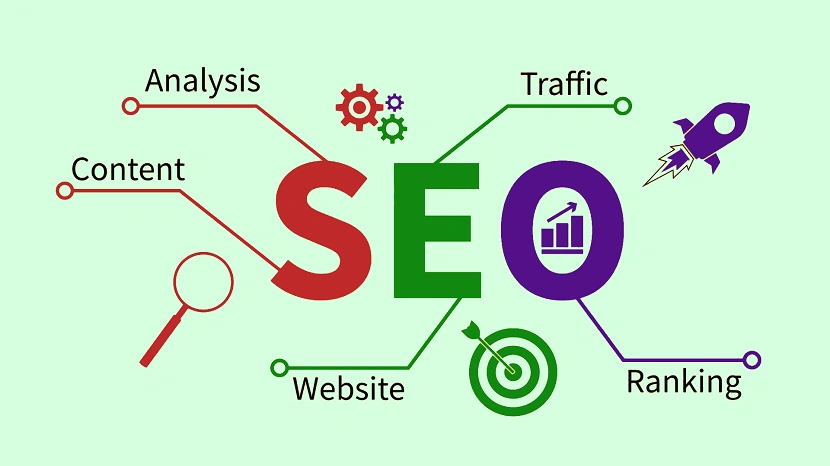

How to Track SEO Performance Effectively. In today’s digital landscape, having a website is no longer enough. Businesses must ensure their websites are visible to potential customers through search engines like Google and Bing. Search Engine Optimization (SEO) plays a major role in improving online visibility, increasing website traffic, and generating quality leads. However, simply implementing SEO strategies without monitoring their effectiveness can lead to wasted effort and missed opportunities.
For businesses looking to grow online, tracking SEO performance is essential. It helps you understand what is working, identify areas for improvement, and make informed decisions that drive measurable results. At Kenlink Technologies, we believe that effective SEO tracking is the foundation of a successful digital marketing strategy.
This guide explores how businesses can track SEO performance effectively, the key metrics to monitor, and the best tools to use for long-term success.
Why Tracking SEO Performance Matters
SEO is not a one-time activity. Search engine algorithms constantly evolve, competitors continue optimizing their websites, and customer behavior changes over time. Without proper tracking, businesses may not know whether their SEO efforts are delivering real value.
Tracking SEO performance helps businesses:
- Measure website visibility in search engines
- Monitor keyword rankings
- Understand user behavior on the website
- Identify technical SEO issues
- Improve content performance
- Increase conversions and lead generation
- Stay ahead of competitors
When businesses track SEO data consistently, they can adjust strategies quickly and maximize return on investment.
Set Clear SEO Goals
Before tracking SEO performance, businesses must define clear and measurable goals. SEO goals provide direction and help determine which metrics matter most.
Some common SEO goals include:
- Increasing organic website traffic
- Improving keyword rankings
- Generating more leads or sales
- Reducing bounce rate
- Increasing page engagement
- Improving local search visibility
- Enhancing website authority
For example, a company may want to increase organic traffic by 30% within six months or rank on the first page of Google for specific keywords. Clear goals make it easier to evaluate SEO success.
Monitor Organic Traffic
Organic traffic refers to visitors who land on your website through unpaid search engine results. It is one of the most important indicators of SEO performance.
Businesses can monitor organic traffic using tools like:
- Google Analytics
- Google Search Console
- SEMrush
- Ahrefs
Tracking organic traffic helps businesses understand:
- Which pages attract the most visitors
- Where traffic is coming from
- Which keywords drive traffic
- User behavior patterns
- Traffic trends over time
If organic traffic is increasing steadily, it often indicates that SEO strategies are working effectively.
Track Keyword Rankings
Keywords are the foundation of SEO. Monitoring keyword rankings helps businesses determine how visible their website is for targeted search terms.
Businesses should track:
- Primary keywords
- Long-tail keywords
- Branded keywords
- Local SEO keywords
Keyword tracking reveals:
- Which keywords are improving
- Which pages rank highest
- Competitor keyword performance
- Opportunities for optimization
It is important to remember that rankings fluctuate regularly. Instead of focusing on daily changes, businesses should analyze long-term trends.
For better SEO results, businesses should target keywords that align with customer intent and industry relevance.
Analyze Click-Through Rate (CTR)
Click-through rate measures how many users click on your website after seeing it in search engine results.
A high CTR indicates that your:
- Page title is compelling
- Meta description is attractive
- Content matches user intent
A low CTR may signal that your search listings need improvement.
Businesses can improve CTR by:
- Writing engaging meta titles
- Using action-oriented language
- Including target keywords naturally
- Creating attractive meta descriptions
- Using structured data for rich snippets
Improving CTR can significantly increase website traffic even without higher rankings.
Measure Bounce Rate and User Engagement
Bounce rate refers to the percentage of visitors who leave a website without interacting further. A high bounce rate may indicate:
- Poor content relevance
- Slow page loading speed
- Weak user experience
- Confusing website layout
Businesses should also monitor user engagement metrics such as:
- Average session duration
- Pages per session
- Scroll depth
- Returning visitors
These metrics provide insights into how users interact with website content.
To improve engagement:
- Create valuable and informative content
- Improve website navigation
- Optimize page speed
- Use engaging visuals
- Ensure mobile responsiveness
Strong engagement signals can positively impact SEO performance.
Track Conversion Rates
Traffic alone does not guarantee business success. SEO should contribute to conversions such as:
- Contact form submissions
- Product purchases
- Newsletter sign-ups
- Phone calls
- Quote requests
Conversion tracking helps businesses understand whether their SEO efforts are attracting the right audience.
Businesses can use Google Analytics to set up conversion goals and monitor:
- Conversion rate by traffic source
- High-converting landing pages
- Customer journey behavior
- Lead generation performance
If traffic increases but conversions remain low, businesses may need to optimize landing pages or improve targeting strategies.
Use Google Search Console Effectively
Google Search Console is one of the most valuable free SEO tools available. It provides direct insights into how Google views your website.
Key features include:
- Keyword performance reports
- Search impressions
- Click-through rates
- Indexing status
- Mobile usability reports
- Core Web Vitals monitoring
- Technical SEO issue alerts
Businesses should regularly review Search Console data to identify opportunities and fix SEO problems quickly.
For example, if certain pages have high impressions but low clicks, improving titles and descriptions may increase traffic.
Monitor Backlinks and Domain Authority
Backlinks are links from other websites pointing to your website. They remain a major ranking factor in SEO.
Businesses should monitor:
- Number of backlinks
- Referring domains
- Link quality
- Anchor text distribution
- Toxic backlinks
High-quality backlinks from authoritative websites improve trust and search visibility.
Tools like Ahrefs, Moz, and SEMrush can help businesses analyze backlink profiles and domain authority.
Effective backlink strategies include:
- Publishing high-quality content
- Guest blogging
- Digital PR campaigns
- Industry partnerships
- Local business citations
Avoid low-quality or spammy backlinks, as they may harm SEO performance.
Evaluate Page Speed and Technical SEO
Technical SEO affects how search engines crawl and index websites. Slow websites and technical errors can reduce rankings and negatively impact user experience.
Important technical SEO factors include:
- Page loading speed
- Mobile responsiveness
- Secure HTTPS connection
- Crawlability
- XML sitemap functionality
- Broken links
- Duplicate content
Google’s Core Web Vitals also play a role in SEO rankings.
Businesses can use tools like:
- Google PageSpeed Insights
- GTmetrix
- Screaming Frog
- Lighthouse
Regular technical audits help maintain strong SEO health and prevent ranking issues.
Monitor Local SEO Performance
For businesses targeting local customers, local SEO tracking is critical.
Key local SEO metrics include:
- Google Business Profile visibility
- Local keyword rankings
- Customer reviews
- Local search traffic
- Map pack performance
Businesses should optimize and monitor their Google Business Profile regularly.
Local SEO improvements include:
- Updating business information
- Encouraging customer reviews
- Using local keywords
- Building local citations
- Publishing location-based content
Strong local SEO helps businesses attract nearby customers and increase brand visibility.
Analyze Competitor SEO Strategies
Competitor analysis provides valuable insights into industry trends and SEO opportunities.
Businesses should monitor competitors’:
- Keyword rankings
- Content strategies
- Backlink profiles
- Website structure
- Traffic performance
Competitive analysis tools include:
- SEMrush
- Ahrefs
- SpyFu
- SimilarWeb
Understanding competitor strengths and weaknesses helps businesses develop more effective SEO campaigns.
Instead of copying competitors, businesses should focus on creating better and more valuable content.
Create Regular SEO Reports
SEO reporting helps businesses track progress and communicate results effectively.
A good SEO report should include:
- Organic traffic trends
- Keyword ranking changes
- Conversion performance
- Backlink growth
- Technical SEO issues
- Content performance
- Local SEO insights
Reports should be easy to understand and focused on actionable insights.
Monthly reporting is often ideal for identifying trends and making strategic adjustments.
Focus on Content Performance
Content remains one of the strongest SEO drivers. Businesses should analyze which content performs best and why.
Content metrics to monitor include:
- Page views
- Average time on page
- Social shares
- Backlinks earned
- Conversion rates
- Keyword rankings
High-performing content should be updated regularly to maintain rankings and relevance.
Businesses can also identify underperforming pages and improve them through:
- Better keyword optimization
- Enhanced readability
- Updated information
- Internal linking
- Improved visuals
Quality content builds authority and supports long-term SEO growth.
The Importance of Mobile SEO Tracking
Mobile devices account for a significant portion of web traffic today. Google also uses mobile-first indexing, meaning mobile website performance directly affects rankings.
Businesses should track:
- Mobile traffic
- Mobile bounce rate
- Mobile page speed
- Mobile usability issues
A responsive website design ensures a smooth experience across all devices.
Improving mobile SEO includes:
- Optimizing images
- Using responsive layouts
- Improving page speed
- Simplifying navigation
- Avoiding intrusive popups
Mobile optimization is essential for both user experience and search visibility.
Common SEO Tracking Mistakes to Avoid
Many businesses make mistakes when tracking SEO performance.
Common mistakes include:
- Focusing only on rankings
- Ignoring conversions
- Not tracking user engagement
- Neglecting technical SEO
- Failing to update old content
- Using inaccurate data
- Expecting instant results
SEO is a long-term process that requires patience, consistency, and continuous optimization.
Businesses should focus on overall growth rather than isolated metrics.
Tracking SEO performance effectively is essential for businesses that want to succeed online. Without proper monitoring, it becomes difficult to understand whether SEO strategies are generating meaningful results.
By tracking key metrics such as organic traffic, keyword rankings, conversions, user engagement, backlinks, and technical SEO health, businesses can make data-driven decisions that improve visibility and drive growth.
At Kenlink Technologies, we help businesses implement smart SEO strategies and monitor performance for sustainable online success. Effective SEO tracking not only improves rankings but also helps businesses connect with the right audience, increase conversions, and stay competitive in an evolving digital marketplace.
Investing time in SEO analytics and performance monitoring today can lead to stronger online visibility and greater business success in the future.