
Website design for Safari Lodge in Uganda. A safari lodge in Uganda sells something no city hotel can: the experience of waking up to birdsong in Bwindi’s misty forest, watching elephants drink at sunset on the Kazinga Channel, hearing lions call across the plains of Kidepo or sipping coffee as the Rwenzori Mountains appear through the clouds. Guests do not just book a room. They book a dream they have often carried for years.
Yet many beautiful lodges in Uganda are represented online by websites that fail to capture that magic. Photos are small and dated, information about getting there is missing, rates are confusing, booking is slow and the site barely works on a phone. Travellers who cannot picture themselves at your lodge, or cannot work out how to reach and reserve it, simply choose another property.
This guide explains everything you need to know about website design for safari lodges in Uganda. You will learn how to tell your lodge’s story, which pages and features travellers and tour operators need, how to handle rates and inclusions, how to rank on Google, how to manage a website from a remote location and how to choose the right design partner. It is written by Kenlink Technologies, a Kampala-based web design company with more than 11 years of experience building websites for hospitality, safari and tourism businesses across Uganda and East Africa.
Why Safari Lodges Need a Different Kind of Website
A safari lodge website has a harder job than a typical hotel website. Most lodge guests are international travellers planning far ahead, spending significant amounts on a once-in-a-lifetime trip and often booking through tour operators. They need inspiration, detailed practical information and complete confidence before they commit.
Your website must therefore serve several audiences at once. Independent travellers want to see the rooms, the views, the food and the wildlife, and to understand exactly what is included. Tour operators and travel agents want trade rates, fact sheets, images and availability. Domestic and resident travellers want weekend packages and clear prices in shillings. Each group should find what it needs within a few clicks.
A lodge website also carries the weight of your location. Guests want to know where you are in relation to the park, gorilla trekking sectors, chimpanzee tracking starting points, game drive circuits, airstrips and roads. If this information is unclear, they may worry about logistics and look elsewhere. For a wider look at what tourism websites need, read our article on hotel and safari company websites.
Tell Your Lodge’s Story
Every great lodge has a story. Perhaps it was founded by a family who grew up beside the park, built from local stone and timber by craftsmen from the surrounding villages, or designed to blend invisibly into the forest canopy. Perhaps it supports a community school, employs local guides or funds conservation projects. These stories turn a list of facilities into a place guests feel emotionally connected to.
Your homepage and About page should share this story in warm, vivid language, supported by authentic photography of your team, buildings and surroundings. Introduce your manager, chef and guides by name and face. Explain what makes your lodge different from the many others near the same park, whether it is an exceptional view, a unique architecture, a sustainability commitment, a renowned kitchen or exclusive access to a quieter area.
Consistent branding reinforces your story. Your logo, colours, typography and tone of voice should feel like your lodge, whether that is rustic and earthy, elegant and luxurious or simple and friendly. Read about the importance of branding in digital marketing.
Essential Pages for a Safari Lodge Website
A well-structured lodge website makes it easy for every visitor to find what they need. Most successful lodge websites include these core pages.
Home
The homepage should capture attention instantly with a striking hero image or short video of your lodge and its surroundings, a clear statement of where you are and what you offer, and an obvious call to action such as “Check Availability” or “Enquire Now.” Below, give quick glimpses of accommodation, experiences, dining, location and guest reviews.
Accommodation
Each room, cottage, banda, tent or suite type deserves its own section or page with a full gallery, size, bed configuration, maximum occupancy, view, bathroom details and amenities such as power availability, Wi-Fi, mosquito nets, fireplaces or private decks. Honest details build trust and prevent disappointment.
Experiences and Activities
Guests choose lodges largely for what they can do nearby. Describe each activity in detail: gorilla trekking, chimpanzee tracking, game drives, boat cruises, nature walks, birding, crater lake hikes, community visits, cultural performances and relaxation at the lodge. Include duration, difficulty, best times, what to bring and how the lodge helps arrange each one.
Dining
Food is a highlight of any safari. Showcase your restaurant, menus, signature dishes, bush dinners, sundowners and special dietary options. Explain meal plans clearly, such as full board or bed and breakfast.
Location and Getting There
This is one of the most important and most neglected pages on lodge websites. Include a map, driving times and routes from Kampala and Entebbe, the nearest airstrip and domestic flight options, distances to park gates and trekking or tracking starting points, road conditions in different seasons and whether transfers can be arranged.
Rates and Inclusions
Make it clear what guests pay and what they receive. Show rates per person sharing or per room, seasonal differences, single supplements, child policies, meal plans and inclusions such as drinks, laundry or guided walks, along with exclusions such as park fees and permits.
Conservation and Community
Many travellers actively seek lodges that protect wildlife and support local people. Share your environmental practices, community projects, local employment and any partnerships, with real examples and photos.
Travel Information and FAQs
Answer common questions about visas, vaccinations, packing, weather, electricity, connectivity, payment methods, cancellation policies and safety. A good FAQ page reduces repetitive emails and reassures nervous first-time travellers.
Gallery and Video
A dedicated gallery with high-quality photos and videos lets guests immerse themselves in the experience. Organise images by category, such as rooms, wildlife, dining and landscapes.
Contact and Enquiry
Offer several easy ways to get in touch: an enquiry form, a booking engine where appropriate, email, phone and a WhatsApp button.
Photography and Video: Selling the Safari Dream
Nothing sells a safari lodge like images. Invest in professional photography that captures your lodge at its best: rooms in soft morning light, decks at golden hour, dining under the stars, the view from the infinity pool and the wildlife and landscapes that surround you. Include people in some images, as guests relate to seeing others enjoying the experience.
Video is even more powerful. A short film showing the arrival, the rooms, the meals, the activities and the sounds of the bush can convince travellers far more effectively than text. Drone footage helps guests understand your setting and proximity to lakes, forests or plains.
Images must be optimised so they load quickly without losing quality. Many safari websites are slow because they upload huge photo files directly from cameras. Professional designers compress and resize images, use modern formats and load galleries efficiently, so your website stays beautiful and fast. Learn about the importance of video marketing for businesses.
Make Rates, Inclusions and Booking Crystal Clear
Confusion about pricing is one of the biggest reasons travellers abandon lodge websites. Safari pricing can be complex, with seasonal rates, full-board packages, resident and non-resident rates, children’s discounts and optional activities. Your website should make this simple.
Present rates in a clear table or simple summaries by season, explain what “full board” or “all-inclusive” means at your lodge, list inclusions and exclusions plainly and show prices in the currencies your guests use, typically US dollars for international travellers and Uganda shillings for residents. If you prefer not to publish full rates, at least provide “from” prices so travellers can judge whether you match their budget.
For booking, choose the approach that fits your operation. Larger lodges may use an online booking engine with real-time availability and secure payment. Smaller lodges often work well with a detailed enquiry form, prompt personalised replies and a clear deposit and confirmation process. Either way, make it quick and reassuring. Read about the benefits of online booking systems.
Create a Trade Section for Tour Operators and Agents
A large share of safari lodge bookings in Uganda come through tour operators, destination management companies and travel agents. Making their work easy can significantly increase your bookings.
A dedicated trade or agent section, which can be password-protected, should include downloadable fact sheets, contracted or trade rates, high-resolution images and videos, room configurations, activity descriptions, maps, policies, and contact details for reservations. Some lodges also provide availability checking or allocation information for trusted partners.
Tour operators often build itineraries around lodges whose information is easy to find and share. Our tour operator clients, such as Kaara Adventures, feature lodges and parks throughout itineraries like their Uganda gorilla trekking page. When your website supplies clear, professional information, operators are more likely to include and recommend your property.
Design for Every Type of Safari Property
Uganda’s safari accommodation ranges from luxury lodges to simple bandas. The best websites reflect each property’s character and guest expectations.
Luxury Lodges
Luxury lodges should feel exclusive from the first click: large immersive imagery, elegant typography, refined colours and storytelling about design, cuisine, service and privacy. Every detail should signal quality.
Mid-Range Lodges
Mid-range lodges compete on comfort, value and location. Their websites should balance attractive visuals with clear pricing, practical information and easy booking.
Tented Camps
Tented camps appeal to travellers seeking closeness to nature. Their websites should explain what staying in a tent is like, including beds, bathrooms, power and safety, while celebrating the sounds and sights of the wild.
Budget Lodges, Campsites and Bandas
Budget properties serve backpackers, students, overlanders and domestic travellers. Their websites should be simple, fast and transparent, with clear prices, facilities, camping options and easy contact via WhatsApp.
Eco-Lodges and Community Lodges
Eco-lodges and community-run lodges should put sustainability and community impact at the heart of their websites, with honest stories, evidence and photos that show how guests’ stays make a difference.
SEO for Safari Lodges: Get Found by Travellers on Google
Travellers research extensively on Google, searching for phrases like “lodges near Bwindi,” “where to stay in Queen Elizabeth National Park,” “luxury lodge Murchison Falls” or “budget accommodation Kidepo.” If your lodge does not appear, you miss travellers who are actively planning a trip to your area.
Effective lodge SEO starts with research into the phrases your guests use, then dedicated, well-written pages that match those searches: your accommodation, experiences, location and nearby attractions. Each page should have a descriptive title, clear headings, original text and optimised images with descriptive file names and alt text.
Destination content is especially powerful for lodges. Guides on gorilla trekking sectors, the best time to visit your park, how to reach your area and what wildlife guests can expect attract travellers during the planning stage and position your lodge as the natural choice. Kenlink Tours offers a good example of this kind of content with its destination guide to Bwindi Impenetrable Forest National Park and a broad About Uganda guide.
Read the benefits of SEO for tour and travel companies, our SEO tips for hotel and safari websites and our guide on how to optimise your website for Google search. For ongoing results, our search engine optimization service helps lodges climb the rankings.
Content Marketing: Keep Your Lodge Top of Mind
A blog or news section turns your website into a living, growing resource. Lodges have endless stories to share: recent wildlife sightings, the arrival of migratory birds, a new gorilla family member, seasonal changes in the landscape, new dishes on the menu, community project updates and guest experiences.
Regular content keeps your website fresh, attracts search traffic, gives you material for social media and email newsletters, and shows travellers that your lodge is active and well run. Even one quality article each month can make a meaningful difference over time. Learn how blogging improves SEO rankings, or let our content creation service write engaging lodge content for you.
Reviews, Awards and Trust Signals
Before booking a remote lodge, travellers want proof that others have had wonderful experiences. Display genuine guest reviews from Google, TripAdvisor and safari platforms throughout your website, especially on accommodation pages and near enquiry buttons. Include awards, certifications, association memberships and recognition from respected travel publications.
Respond to reviews online professionally and promptly, thanking guests for praise and addressing concerns constructively. Prospective guests read these responses closely and judge your service by them. Read why online reputation management matters.
Mobile-First Design for Travellers on the Move
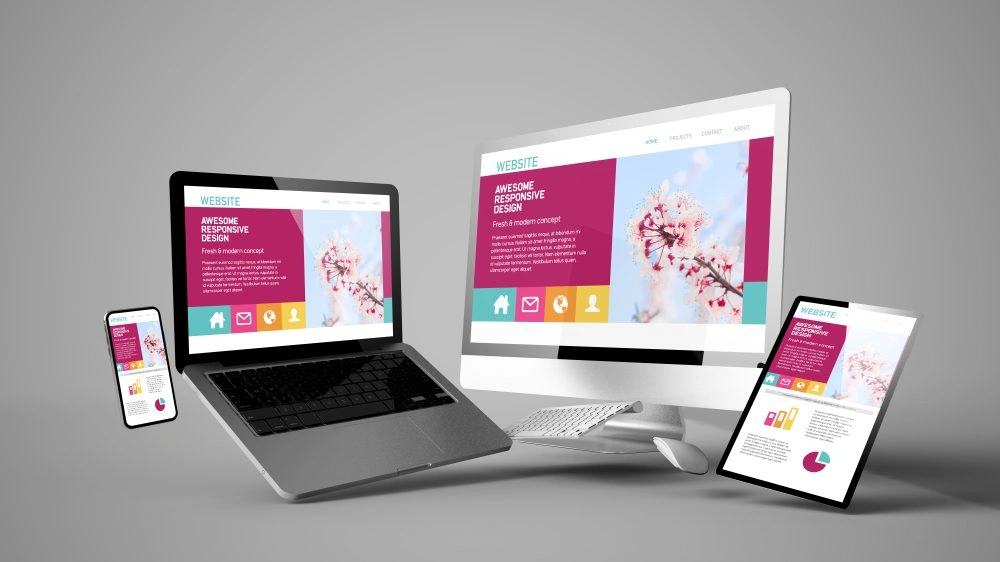
Most travellers browse on smartphones, whether planning at home, commuting or already travelling in Uganda. Many will check your directions, contact details or booking confirmation while on the road with patchy signal. Your website must load quickly on mobile data, display beautifully on small screens and make key actions, such as calling, WhatsApp chat, directions and enquiries, available with a single tap.
Read about why mobile SEO matters in Uganda and how fast websites improve customer experience.
Managing a Website from a Remote Lodge
Safari lodges are often located where internet connections are slow or intermittent. This creates practical challenges for updating websites, replying to enquiries and uploading photos. Good website design accounts for this.
Choose a content management system that is lightweight and easy to use, so updates do not require large uploads or complex steps. Optimise images before uploading, or work with a design partner who can handle updates from Kampala. Route enquiries to email addresses and WhatsApp numbers monitored by a reservations team in town if lodge connectivity is unreliable. Automatic confirmation emails reassure guests even when a personal reply takes a little longer.
Reliable hosting, regular backups and proactive maintenance also matter more when you cannot easily fix problems yourself. Our website maintenance service and web hosting and consultancy keep your website running smoothly while your team focuses on guests. Read our guide on web hosting services for tour and travel companies.
Get Your Lodge on Google Maps
Remote lodges are often hard to find, and travellers and drivers rely heavily on Google Maps to plan routes and confirm locations. A verified Google Business Profile with an accurate map pin, photos, contact details, a link to your website and genuine reviews helps guests find you, reassures them that your lodge is real and can bring direct enquiries from travellers searching for accommodation nearby.
Make sure the name, phone number and location on your profile match your website exactly, and add directions for the final stretch of road if the map pin alone could confuse drivers. Learn why your Google Business Profile matters for local SEO.
Share Fitness, Accessibility and Special Requirements Information
Safari travellers come with a wide range of ages, fitness levels and needs. Gorilla trekking can involve steep, muddy hiking, some lodges have long staircases or uneven paths, and remote properties may have limited medical facilities. Clear, honest information helps guests choose wisely and prevents disappointment.
Describe the terrain around your lodge, the walking distances between rooms and the main areas, and whether any rooms are accessible for guests with limited mobility. Explain how you accommodate dietary requirements, children, honeymooners, photographers and older travellers. Note the availability of porters, walking sticks or vehicle transfers within the property. Guests who feel understood before they arrive are far more likely to book and to leave glowing reviews afterwards.
Speak to International Travellers
Most safari lodge guests come from abroad, so your website should feel welcoming and clear to international visitors. Write in clear, natural English, consider translating key pages into languages such as French, German or Spanish if those markets matter to you, display prices in US dollars and explain practical matters such as time zones, payment methods and how international guests can confirm bookings securely.
Trust is especially important for international travellers paying large deposits to a business they have never visited. An SSL certificate, secure payment options, clear terms and conditions and professional email addresses all reassure them. Learn how businesses can reach international customers online and why a secure website matters for businesses in Uganda.
Plan Content Around Uganda’s Safari Seasons
Uganda’s safari calendar shapes lodge demand. The drier months, broadly June to September and December to February, are peak seasons for gorilla trekking and game viewing. The wetter months bring lush landscapes, excellent birding, fewer crowds and often special rates.
Your website should make seasonal messaging easy. Promote peak-season availability early, because many international travellers book months in advance, and gorilla permits are limited. During green season, highlight the unique benefits of travelling at that time, publish special offers for residents and regional travellers and share birding and photography content. Plan seasonal articles and offers a few weeks ahead so they have time to appear in search results.
Connect Your Website to Social Media and Email
Your website should sit at the centre of your marketing. Link it to Instagram, Facebook and YouTube channels where you share daily moments from the lodge, wildlife sightings and guest experiences. Collect email addresses through enquiry forms and newsletter sign-ups, then stay in touch with seasonal offers, news and stories that inspire repeat visits and referrals.
Our guides on Instagram marketing, digital marketing tips for tour companies and how hotels can increase bookings through online marketing apply directly to safari lodges.
Measure What Drives Lodge Bookings
A lodge website should be judged by the bookings it generates, not just its looks. Install Google Analytics and Google Search Console, and track the actions that matter: enquiry form submissions, booking engine completions, WhatsApp clicks, phone calls, brochure downloads and trade section visits.
Review the data each month or season. Which countries send the most visitors? Which room types and activities attract the most interest? Which articles bring travellers from Google? Where do visitors leave the enquiry process? Do tour operators actually use your trade resources? These insights show you where to invest, which content to expand and which obstacles to remove. Over time, small improvements based on real data can add up to many more bookings.
Safari and Hospitality Websites Designed by Our Team
At Kenlink Technologies, we have deep experience designing websites for Uganda’s safari and hospitality industry. Our work includes the website for Menlyn Hotel Residence, a boutique hotel in Kasese close to Queen Elizabeth and Rwenzori Mountains National Parks, with clear room information and booking options for safari and business guests.
We also design for the safari operators who send guests to lodges every day. Alongside Kaara Adventures, whose About Us page introduces the people behind their safaris, we have worked with Iconic Africa Safaris, Pick and Transfer Safaris and Pick and Transfer, whose guide to renting a car for a trip to Murchison Falls National Park shows how practical travel content attracts visitors.
This experience on both sides of the safari industry means we understand what travellers look for and what tour operators need from lodge websites. Explore more of our work on the Kenlink Technologies portfolio.
Our Safari Lodge Website Design Process
Every lodge website we create follows a clear process:
- Discovery. We learn about your lodge, location, guests, tour operator partners, competitors and goals, then provide a clear written quote.
- Content and photography planning. We plan pages, gather or advise on photography and video, and write persuasive, SEO-friendly content.
- Design. We create a responsive design that reflects your lodge’s character and makes booking and enquiries effortless.
- Development and integration. We build the website, connecting enquiry forms, booking engines, WhatsApp, maps and trade resources.
- Testing. We test speed, mobile display, forms and booking flows on different devices and connections.
- Launch and training. We go live, submit the site to Google and train your team to update rates, offers, photos and news.
- Ongoing support. We provide hosting, maintenance and optional SEO to keep your website performing season after season.
How Much Does a Safari Lodge Website Cost in Uganda?
The cost of a safari lodge website depends on the number of pages and room types, design complexity, booking functionality, trade sections, multi-language features, photography and video, and ongoing support. A small lodge website with an enquiry form costs less than a large lodge or group website with an integrated booking engine, multiple properties and several languages.
Think of your website as an investment. A website that wins even a few additional direct or tour operator bookings each season can quickly repay its cost. For typical tourism website budgets, see our guides on how much a tourism website costs and how much a tour company website costs to design, then contact us for a tailored quote.
Common Safari Lodge Website Mistakes
Avoid these common errors that cost lodges bookings:
- Small, low-quality or outdated photos that fail to capture the experience.
- No clear information on how to get to the lodge.
- Confusing or missing rates, inclusions and exclusions.
- Slow loading caused by uncompressed images.
- Poor mobile experience and hidden contact details.
- No trade resources for tour operators and agents.
- Copied descriptions that look like every other lodge and hurt search rankings.
- Websites that are never updated, with old offers and broken links.
If your website has several of these issues, a redesign can make a dramatic difference. Learn about our website redesign service for growing companies.
Frequently Asked Questions About Safari Lodge Website Design
How long does it take to design a safari lodge website?
A standard lodge website can usually be completed within a few weeks once photos and content are ready. Larger websites with booking engines, trade portals and multiple languages take longer.
Should my lodge website show prices?
Showing at least “from” prices or seasonal rate ranges helps travellers decide whether to enquire and builds trust. Detailed trade rates can be placed in a protected section for tour operators.
Can my lodge accept online bookings and deposits?
Yes. We can integrate a booking engine with secure payment, or set up enquiry forms with a clear deposit and confirmation process, depending on how your lodge operates.
Can you update my website if my lodge has poor internet?
Yes. Our Kampala team can manage updates on your behalf, and we design websites that are lightweight and easy to update even on slower connections.
Do you work with lodges outside Kampala?
Absolutely. We work with lodges, camps and hotels across Uganda through phone, WhatsApp, email and video calls, and we can visit for photography and planning where needed.
Give Your Safari Lodge the Website It Deserves
Your safari lodge offers experiences that travellers dream about. Your website should capture that magic, answer every practical question, support your tour operator partners and make booking simple. With professional website design for safari lodges in Uganda, you can inspire more travellers, win more direct and trade bookings and build a brand that guests remember long after they return home.
Whether your property overlooks the forests of Bwindi, the savannah of Queen Elizabeth, the Nile at Murchison Falls or the remote valleys of Kidepo, the right website can help travellers fall in love with it long before they arrive. Every season you wait is a season of bookings going to lodges with better websites.
At Kenlink Technologies, we combine more than 11 years of web design experience with deep knowledge of Uganda’s safari and hospitality industry. Learn more about our team, explore all our services, read more insights on our blog, and contact us for a free consultation and quote. Call or WhatsApp +256 789 210 067, email info@kenlinktech.com, or visit us at Plot 149, Gayaza Road, Mulago, Kampala. Let us help your lodge welcome more guests.