
How to generate tourism business with digital marketing. Uganda has everything a traveller dreams of: mountain gorillas in Bwindi, tree-climbing lions in Ishasha, the thundering Murchison Falls, the snow-capped Rwenzori Mountains and the source of the Nile in Jinja. Yet many tour operators, lodges and travel agencies still struggle to turn this incredible product into a steady flow of bookings. The problem is rarely the experience on the ground. It is visibility. If travellers cannot find you online, they cannot book with you.
Today, almost every safari begins with a search. A couple in London types “Uganda gorilla trekking tour,” a family in Nairobi looks for “weekend trip to Jinja,” and a student group in Kampala searches “affordable Murchison Falls safari.” The tourism businesses that appear in those moments, with a trustworthy website, glowing reviews and a quick way to enquire, win the booking. Those that do not are invisible.
This guide explains exactly how to generate tourism business with digital marketing. You will learn how modern travellers plan trips, how to build a website that converts, how to use SEO, content, social media, WhatsApp, email and paid ads, and how to measure what really drives bookings. Every strategy is based on our experience at Kenlink Technologies designing and marketing websites for safari companies, travel firms and tourism institutions across Uganda and East Africa.
Why Digital Marketing Is the Engine of Tourism Growth in Uganda
Tourism is a high-value, high-trust purchase. Travellers spend large sums, often thousands of dollars, on a trip they cannot see or test in advance. Before they commit, they research heavily: comparing operators, reading reviews, studying itineraries and asking questions. Digital marketing places your business in front of them at every step of that research.
Traditional methods such as brochures, trade fairs and word of mouth still have value, but they reach only a small audience and are difficult to measure. Digital marketing, by contrast, lets a small tour company in Kampala compete for the attention of travellers in Europe, North America, Asia and across Africa, often with a modest budget. It also provides data: you can see which channels bring enquiries, which tours attract the most interest and which messages lead to bookings.
Most importantly, digital marketing reduces your dependence on middlemen. When travellers find and book with you directly, you keep more of the revenue, build your own customer relationships and grow a brand that lasts. If you are new to the field, our overview of the best digital marketing tips for tour companies is a helpful starting point.
Understand the Modern Traveller’s Booking Journey
Successful tourism marketing starts with understanding how travellers decide. Most go through five stages, and each stage calls for a different kind of marketing.
Dreaming. The traveller is inspired by a photo on Instagram, a YouTube video or a friend’s story about seeing gorillas. Visual content and social media matter most here.
Planning. They begin searching Google for destinations, the best time to visit, costs, visa requirements and sample itineraries. Helpful blog content and strong SEO put you in front of them.
Comparing. They shortlist operators and compare tour packages, prices, reviews and responsiveness. Your website, reviews and speed of reply decide whether you make the cut.
Booking. They enquire, negotiate and pay. A clear booking process, secure payment options and fast WhatsApp or email responses close the deal.
Sharing. After the trip, happy travellers post photos, leave reviews and recommend you to friends. This stage feeds the dreaming stage of the next traveller, creating a cycle of growth.
When your digital marketing covers all five stages, you stop relying on luck and start building a predictable pipeline of bookings.
Build a Tourism Website That Converts Lookers into Bookers
Your website is the centre of your digital marketing. Every social post, advert, email and review should ultimately lead travellers back to it. Yet many tourism websites in Uganda are slow, outdated or confusing, losing potential guests before they ever enquire.
A high-converting tourism website includes:
- Stunning, authentic photography of the parks, wildlife, lodges and your own guides and vehicles.
- Detailed tour pages with day-by-day itineraries, inclusions, exclusions, accommodation options and price guidance.
- Clear calls to action such as “Plan My Safari,” “Request a Quote” and “Chat on WhatsApp” on every page.
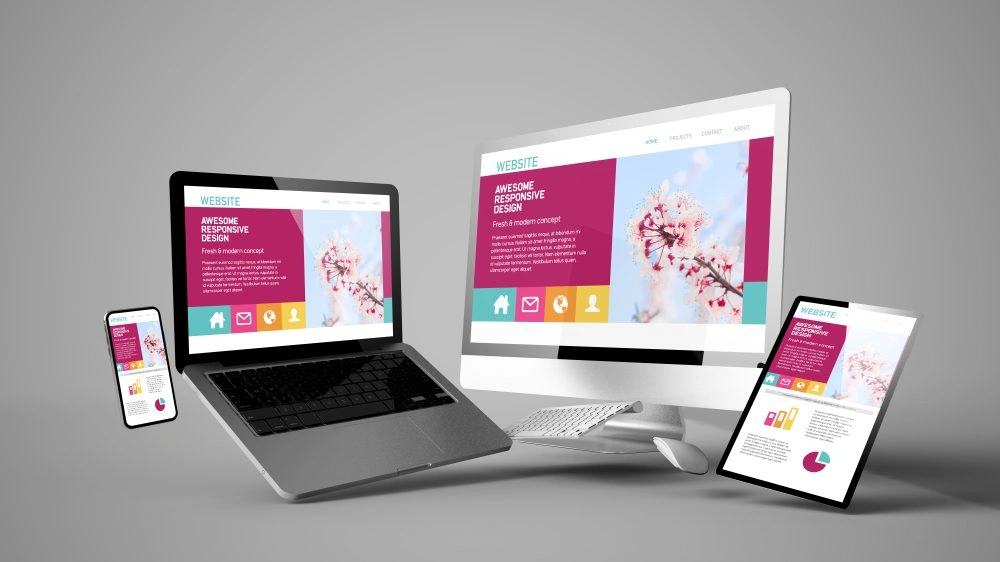
- Mobile-first design, because most travellers research on their phones.
- Fast loading speed, even on slower connections.
- Trust signals including reviews, licences, association memberships and real team photos.
- Practical travel information on visas, health, packing and the best time to visit.
A good example is the website we designed for Kaara Adventures, where each tour has its own detailed page, such as their Uganda gorilla trekking page, answering travellers’ questions before they even ask. Their About Us page also builds confidence by introducing the people behind the company.
If you need a new site or a redesign, our website designing service specialises in tourism platforms, and our article on website design tips for tour companies in Uganda explains the essential features in more depth. Curious about budgets? Read how much a tour company website costs to design.
Build a Memorable Tourism Brand Story
Hundreds of operators sell gorilla trekking and Big Five safaris, so why should a traveller choose you? Your brand story answers that question. Perhaps your founder grew up near Bwindi, your guides are award-winning birders, your company supports a local conservation project, or you specialise in family safaris, photography tours or budget adventures for young travellers.
Whatever makes you different, say it clearly and consistently across your website, social media, emails and adverts. Use the same logo, colours, tone of voice and promises everywhere, so travellers recognise you instantly. Introduce your guides by name, share their stories and let their personalities shine through videos and photos. People book with people, and a warm, authentic brand turns a generic search result into a company travellers feel they already know.
Sites such as Kenlink Tours show how a consistent look and tone across every page builds recognition. Learn more about the importance of branding in digital marketing.
Use Search Engine Optimization to Win Free, Ready-to-Book Traffic
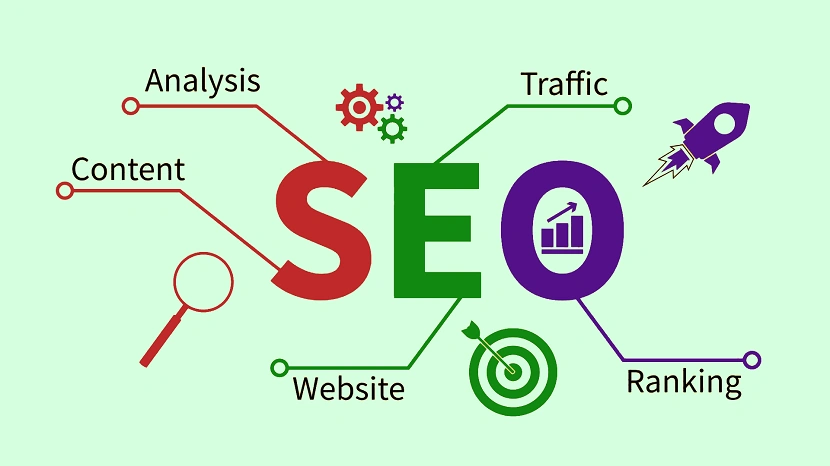
Search engine optimization is the most powerful long-term channel for tourism businesses. When your website ranks on the first page of Google for searches like “Uganda safari packages” or “Bwindi gorilla trekking tours,” you receive a steady stream of travellers who are actively planning a trip, without paying for every click.
Keyword Research for Tour Operators
Start by understanding exactly what travellers type into Google. Broad keywords such as “Uganda safari” are highly competitive. Longer, more specific phrases such as “3-day gorilla trekking tour from Kampala,” “Murchison Falls safari from Entebbe” or “budget Uganda safari for students” are easier to rank for and often bring travellers who are closer to booking. Our guide to keyword research strategies for Uganda websites shows you how to find these opportunities.
Destination and Itinerary Pages
Create a dedicated, well-written page for every major destination and tour you offer. Each page should target one main keyword, include a descriptive title and meta description, use headings logically, feature optimised images with alt text and link to related tours and articles. Thin pages with a few lines of copied text rarely rank; detailed, original pages that genuinely help travellers do.
Technical SEO and Speed
Google rewards websites that load quickly, work well on mobile phones and are secure. Compress images, choose reliable hosting, install an SSL certificate and fix broken links. Our web hosting and consultancy team regularly helps tour operators speed up image-heavy websites without sacrificing visual impact.
Local SEO and Google Business Profile
Even international travellers check Google Maps to confirm that a company is real. A complete, verified Google Business Profile with your office address, photos, opening hours and genuine reviews builds instant credibility. It also helps you appear for local searches by domestic travellers and expatriates in Kampala and Entebbe.
To go deeper, read the benefits of SEO for tour and travel companies and our practical SEO tips for hotel and safari websites. For hands-on help, our search engine optimization service builds rankings month after month.
Content Marketing: Become the Trusted Guide Before the Trip
Travellers have many questions long before they are ready to book. When should I visit Uganda? How fit do I need to be for gorilla trekking? What should I pack? Is it safe to self-drive? Every question is an opportunity to attract a future guest through helpful content.
A tourism blog positions your company as the expert local guide. Strong article ideas include:
- Best time to visit Uganda for wildlife, birding and gorilla trekking
- Gorilla trekking vs chimpanzee trekking: which should you choose?
- A complete packing list for a Uganda safari
- How to plan a 7-day or 10-day Uganda itinerary
- Uganda and Rwanda combined safari guides
- Guides to specific parks such as Queen Elizabeth, Kidepo Valley and Lake Mburo
Our client Pick and Transfer demonstrates this approach well, with practical articles such as their guide to renting a car for a trip to Murchison Falls National Park, which helps self-drive travellers while promoting the company’s car rental service.
Consistency matters more than volume. One genuinely useful article each week will build traffic steadily over time. Learn more about how blogging improves SEO rankings, or let our content creation service write expert travel content for you.
Social Media Marketing for Tour Companies
Tourism is one of the most visual industries in the world, which makes social media a natural fit. Platforms such as Instagram, Facebook, TikTok and YouTube let you inspire travellers during the dreaming stage and stay top of mind until they are ready to book.
Instagram and Facebook
Share high-quality photos and short videos from recent trips: gorillas peering through the forest, lions resting in fig trees, boat cruises on the Kazinga Channel and smiling guests at the equator. Use Stories to show behind-the-scenes moments, Reels to reach new audiences and Highlights to organise content by destination. Facebook groups and pages remain powerful for reaching domestic travellers, diaspora Ugandans and group organisers. Explore our guides to Facebook marketing strategies and Instagram marketing for brands.
TikTok and YouTube Video Marketing
Video is the most persuasive way to sell an experience. Short TikTok clips of a guide’s wildlife knowledge, a rafting run on the Nile or a sunrise over Lake Bunyonyi can reach thousands of potential travellers organically. On YouTube, longer videos such as full trip vlogs, park guides and “what to expect” explainers attract viewers who are actively researching. Read more about TikTok marketing for business growth and the importance of video marketing.
Turning Followers into Bookings
Likes do not pay salaries. Every social media profile should link to your website and WhatsApp, and every post should carry a soft call to action such as “Ask us about this itinerary” or “Link in bio for our 4-day safari.” Encourage guests to tag you in their photos and reshare their content, because recommendations from real travellers are far more convincing than advertising.
WhatsApp Marketing: Uganda’s Booking Superpower
For tourism businesses in Uganda, WhatsApp is often where enquiries become bookings. International travellers appreciate the speed and personal touch of chatting directly with a local expert, and domestic travellers already use the app every day.
Make WhatsApp work harder for you by adding a click-to-chat button on every page of your website, using a WhatsApp Business account with a professional profile, catalogue and quick replies, and responding fast, ideally within minutes during working hours. Share sample itineraries, photos and voice notes to make the conversation personal, and always confirm details in writing. Our article on how WhatsApp marketing is changing businesses in Uganda offers more practical tips.
Win More Enquiries with Fast, Personalised Quotes
Generating enquiries is only half the job; converting them is where revenue is made. Travellers typically contact several operators at the same time, and the company that replies first with a thoughtful, personalised proposal usually wins.
Set a goal of responding to every enquiry within a few hours, even if only to acknowledge it and ask clarifying questions. Prepare well-designed itinerary templates you can quickly tailor to each traveller’s dates, budget, interests and fitness level. Include a short personal note, a clear price breakdown, photos of the lodges and a simple next step, such as paying a deposit to secure gorilla permits.
Follow up politely if you do not hear back within a few days. Many travellers are simply busy, and a friendly reminder offering to adjust the itinerary often revives the conversation and secures the booking.
Email Marketing: Turn Enquiries into Repeat Travellers
Many travellers enquire months before they travel, and not every enquiry books immediately. Email marketing keeps you in touch until they are ready.
Build your list through enquiry forms, downloadable guides such as a free “Uganda Safari Planning Checklist,” and past guests. Then send a welcome sequence introducing your company, useful planning tips, seasonal offers, new itineraries and post-trip thank-you messages with a request for a review. Past guests are among your most valuable audience: they already trust you, and they often return or refer friends and family. Read our guide to email marketing strategies that increase sales.
Paid Advertising: Google Ads and Social Media Ads
While SEO builds traffic over time, paid advertising delivers visibility immediately. It is ideal for new websites, seasonal promotions and filling last-minute departures.
Google Ads place your tours at the top of search results for chosen keywords, such as “gorilla trekking Uganda tour,” so you reach travellers at the exact moment they are searching. Target specific countries, control your daily budget and send visitors to the most relevant tour page rather than your homepage.
Social media ads on Facebook, Instagram and TikTok let you target travellers by country, interests and behaviour, such as people interested in wildlife photography, adventure travel or African safaris. Retargeting ads remind people who visited your website but did not enquire, which is often where the best returns come from.
Start small, measure results and scale what works. Learn more about how Google Ads helps businesses reach customers and compare channels in our guide to SEO vs paid ads.
Online Reviews and Reputation Management
In tourism, reviews are often the deciding factor between two similar operators. Travellers read reviews on Google, TripAdvisor, SafariBookings and social media to judge reliability, safety, guiding quality and value.
Make collecting reviews part of every trip. Ask guests personally at the end of the tour, follow up with a friendly email or WhatsApp message containing a direct review link, and make the process as easy as possible. Respond to every review, positive or negative, politely and professionally. A thoughtful reply to criticism often impresses future travellers more than a page of perfect five-star ratings.
Display your best reviews on your website, particularly on tour pages and near enquiry forms, where they can reassure travellers at the moment of decision. Our article on why online reputation management matters explains how to protect and grow your reputation.
Partnerships, Travel Platforms and Influencers
Digital marketing is not only about your own channels. Listing your tours on reputable safari marketplaces and online travel platforms can introduce you to travellers who are already comparing operators. Use these listings to build reviews and visibility, while encouraging guests to book directly on your website next time.
Collaborations with travel bloggers, photographers and content creators can also expand your reach. Choose creators whose audience matches your ideal traveller, agree clear deliverables, and focus on authentic storytelling rather than hard selling. Partnerships with lodges, airlines, hotels and tourism institutions can generate referrals and joint promotions. For more ideas, read about the benefits of influencer marketing in Uganda.
Make Booking Effortless with Online Booking Systems
Every extra step between interest and payment costs you bookings. Travellers expect to check availability, choose dates, see prices and pay securely without endless back-and-forth emails.
An online booking system lets guests reserve tours, accommodation or vehicles directly from your website, sends automatic confirmations and reduces administrative work for your team. Offer flexible payment options, including international cards and, for domestic travellers, mobile money. Clear terms on deposits, cancellations and refunds build confidence. Discover the benefits of online booking systems for tour companies.
Digital Marketing Tips for Hotels, Lodges and Guesthouses
Accommodation providers face a slightly different challenge: filling rooms every night of the year. The same principles apply, with a few additions. Showcase rooms, dining and surroundings with professional photos and virtual tours, highlight what makes your property unique, and keep rates and availability up to date across all channels. Encourage direct bookings with small perks such as free airport transfers or late check-out.
Hotels and lodges also benefit enormously from local SEO and Google Maps visibility, since many travellers search for “lodge near Bwindi” or “hotel in Fort Portal” while already on the road. Read our guide on how hotels can increase bookings through online marketing and see what a strong property website looks like in our article on hotel and safari company websites.
Reach International Travellers with Confidence
Most high-value tourism business in Uganda comes from abroad, so your marketing must speak to international audiences. Write in clear English, consider additional languages such as French, German or Spanish for key pages, display prices in US dollars or euros, and explain logistics such as airport pickups, visas and travel insurance. Target your ads and content at your strongest source markets and time campaigns to match their holiday planning periods.
Our guide on how businesses can reach international customers online covers this in more detail.
Measure What Matters: Analytics for Tourism Businesses
You cannot improve what you do not measure. Install Google Analytics and Google Search Console on your website, and track the actions that matter most: enquiry form submissions, WhatsApp clicks, phone calls, quote requests and completed bookings.
Review your data monthly. Which countries send the most visitors? Which tour pages get the most enquiries? Which blog articles attract traffic? Which ad campaigns produce bookings rather than just clicks? These insights tell you where to invest more and what to stop. Our article on how to track SEO performance effectively explains the key metrics in simple terms.
Plan Around Uganda’s Tourism Seasons
Tourism demand in Uganda follows the seasons, and your marketing should too. The drier months, broadly June to September and December to February, are peak periods for gorilla trekking and safaris. The wetter months bring fewer visitors but offer lush scenery, excellent birding and often better availability.
Smart operators plan their digital marketing calendar months ahead. Promote peak-season trips early, since many international travellers book well in advance and gorilla permits are limited. During quieter months, run targeted offers, promote birding and green-season experiences, focus on domestic and regional travellers, and invest time in content and SEO that will pay off when demand returns.
Common Digital Marketing Mistakes Tour Companies Make
Avoid these errors that cost Ugandan tourism businesses valuable bookings:
- Relying only on social media. Platforms change their rules, and pages can be lost. Your website is the asset you own.
- Slow replies to enquiries. Travellers contact several operators at once; the fastest helpful reply often wins.
- Copying content from other websites. Duplicate text hurts rankings and credibility.
- Using only stock photos. Authentic images of your own guides, vehicles and guests build far more trust.
- Hiding prices completely. Even a “from” price or price range helps travellers decide to enquire.
- Ignoring reviews. Unanswered complaints and an empty review profile deter cautious travellers.
- Not tracking results. Without data, you cannot tell which marketing spend actually brings bookings.
Many of these issues begin with the website itself. Our article on mistakes businesses make when designing websites helps you avoid them.
Real Tourism Brands Growing Online with Kenlink Technologies
At Kenlink Technologies, tourism is one of our strongest specialities. We have designed and supported websites for safari operators, travel and transfer companies and tourism training institutions, each built around the way travellers research and book.
Visit Iconic Africa Safaris, Pick and Transfer Safaris and Kenlink Tours to see visually rich safari websites designed to inspire travellers and turn interest into enquiries. Tourism growth also depends on skilled people, which is why we were proud to build the website for the Uganda Tourism Institute, whose clear course listings page helps future guides and hospitality professionals choose the right programme.
You can explore more of our work on the Kenlink Technologies portfolio.
A 90-Day Digital Marketing Plan for Your Tourism Business
Feeling overwhelmed? Break it down into three focused months.
Days 1 to 30: Build the foundation. Audit or redesign your website, make it fast and mobile-friendly, create detailed pages for your top tours, set up Google Analytics and Search Console, claim and complete your Google Business Profile, and add WhatsApp click-to-chat buttons.
Days 31 to 60: Create and connect. Publish one helpful blog article each week, post on Instagram and Facebook several times a week with authentic trip content, start collecting reviews from every guest, and set up a simple email welcome sequence for new enquiries.
Days 61 to 90: Amplify and optimise. Launch a small Google Ads or social media campaign for your best-selling tour, retarget website visitors, test new video content on TikTok or YouTube, and review your analytics to double down on the channels that produce real enquiries.
Repeat, refine and grow. Consistency over months is what separates thriving tourism brands from those that give up too soon. If you would rather focus on running great tours, our team can handle this plan for you through our full range of web and digital services, including ongoing website maintenance.
Frequently Asked Questions About Tourism Digital Marketing
What is the best digital marketing strategy for a tour company in Uganda?
The most effective strategy combines a fast, persuasive website, strong SEO, helpful travel content, active social media, quick WhatsApp responses and a steady flow of genuine reviews. Paid ads can accelerate results, especially for new businesses and seasonal offers.
How long does it take for digital marketing to bring tourism bookings?
Paid ads can generate enquiries within days. SEO and content marketing usually take several months to build momentum, but they deliver lasting, low-cost traffic once established. The best results come from combining both.
Do small tour companies need a website if they are active on social media?
Yes. Social media is excellent for inspiration and engagement, but international travellers expect a professional website before trusting you with a large payment. Your website also ranks on Google, holds detailed itineraries and belongs to you permanently.
How much should a tourism business spend on digital marketing?
Budgets vary with size and goals. Start with a solid website and SEO foundation, then allocate a modest monthly amount to content and advertising, increasing spending on the channels that prove they bring bookings.
Can Kenlink Technologies manage digital marketing for my tour company?
Absolutely. We design tourism websites, write travel content, manage SEO and support ongoing marketing for tour operators, lodges and travel companies across Uganda and East Africa.
Start Generating More Tourism Business Today
Uganda’s tourism potential is enormous, and the travellers are already searching. The question is whether they will find your business or your competitor’s. By building a conversion-focused website, ranking on Google, sharing inspiring content, responding quickly on WhatsApp, collecting reviews and measuring your results, you can turn digital marketing into a reliable engine of bookings all year round.
At Kenlink Technologies, we combine more than 11 years of experience with deep tourism expertise to help safari companies, lodges and travel businesses grow online. Learn more about our team, read more marketing insights on our blog, and contact us for a free consultation. Call or WhatsApp +256 789 210 067, email info@kenlinktech.com, or visit us at Plot 149, Gayaza Road, Mulago, Kampala. Let us help you fill your tours, lodges and vehicles with happy travellers.