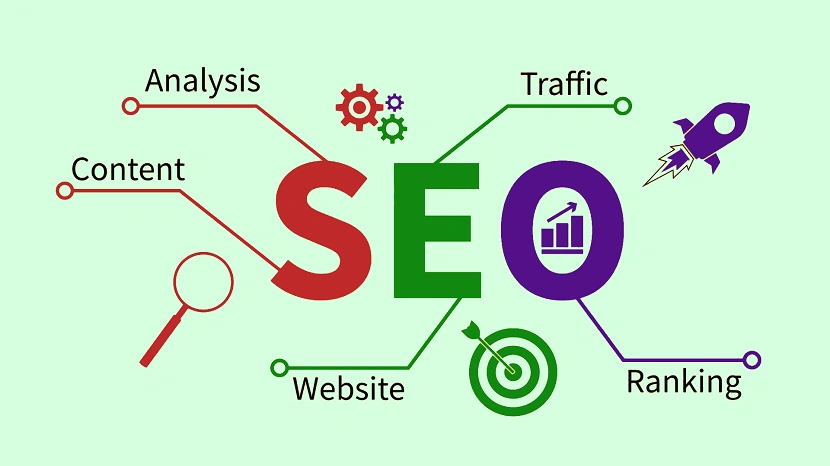

How Search Engine Marketing Works. In today’s digital world, customers turn to search engines whenever they need information, products, or services. Whether someone is looking for a web design company, a hotel, a school, an internet provider, or a construction company, their journey often begins with a search on Google. This behavior has made Search Engine Marketing (SEM) one of the most effective digital marketing strategies for businesses seeking visibility, leads, and sales.
For businesses in Uganda and beyond, Search Engine Marketing provides a powerful opportunity to reach potential customers at the exact moment they are searching for solutions. At Kenlink Technologies, we help businesses leverage SEM to increase website traffic, attract qualified leads, and improve overall business performance.
This guide explains how Search Engine Marketing works, its key components, benefits, and why every modern business should consider investing in it.
What is Search Engine Marketing?
Search Engine Marketing (SEM) is a digital marketing strategy that aims to increase a website’s visibility on search engine results pages (SERPs). It involves using paid advertising and other search-based marketing techniques to attract visitors from search engines such as Google and Bing.
The primary goal of SEM is to place your business in front of users who are actively searching for products or services related to what you offer.
For example, if a user searches for:
- Web design services in Uganda
- Best internet provider in Kampala
- Digital marketing agency near me
- School management software Uganda
Businesses using Search Engine Marketing can appear prominently in the search results, increasing the likelihood of attracting potential customers.
Unlike traditional advertising, SEM targets people who already have an interest or need, making it one of the most efficient forms of marketing available.
Why Search Engine Marketing Matters
Consumer behavior has changed dramatically over the past decade. Before making a purchase decision, most people conduct online research.
Search engines have become the primary gateway to information, products, and services. This means businesses that fail to appear in search results risk losing valuable opportunities to competitors.
Search Engine Marketing helps businesses:
- Reach customers actively searching online
- Generate highly qualified leads
- Increase website traffic
- Improve brand visibility
- Drive sales and conversions
- Achieve measurable marketing results
For businesses seeking immediate exposure, SEM offers a direct path to potential customers.
The Main Components of Search Engine Marketing
Search Engine Marketing consists of several interconnected elements that work together to improve visibility and drive results.
Paid Search Advertising
Paid search advertising is the most recognized component of SEM. It involves placing advertisements on search engine results pages through platforms such as Google Ads.
When users search for specific keywords, paid advertisements appear at the top or bottom of the search results.
For example, a company offering website design services may bid on keywords such as:
- Website design Uganda
- Web development company Kampala
- Affordable website designers
When users search for these terms, the company’s advertisement can appear above organic search results.
Businesses only pay when someone clicks on the advertisement, a model commonly known as Pay-Per-Click (PPC) advertising.
Keyword Research
Keyword research is the foundation of every successful Search Engine Marketing campaign.
Keywords are the words and phrases people type into search engines when looking for information.
The goal is to identify keywords that potential customers use when searching for your products or services.
Effective keyword research focuses on:
- Search volume
- User intent
- Competition level
- Relevance to the business
- Conversion potential
For example, a business selling internet services may target keywords such as:
- Fiber internet Uganda
- High-speed internet Kampala
- Business internet solutions
Selecting the right keywords ensures advertisements are shown to the most relevant audience.
Ad Creation
Once keywords are identified, businesses create advertisements that appear in search results.
A typical search advertisement includes:
- Headline
- Description
- Display URL
- Call to action
Effective advertisements should:
- Address user needs
- Include relevant keywords
- Highlight unique selling points
- Encourage action
Examples of calls to action include:
- Get a Free Quote
- Contact Us Today
- Book a Consultation
- Learn More
The quality and relevance of advertisements significantly impact campaign performance.
Landing Pages
A landing page is the webpage users visit after clicking on an advertisement.
Many businesses make the mistake of directing visitors to their homepage instead of a dedicated landing page.
An effective landing page should:
- Match the advertisement message
- Provide relevant information
- Load quickly
- Be mobile-friendly
- Include clear calls to action
For example, if an advertisement promotes web design services, users should be directed to a page specifically about web design rather than a generic homepage.
Landing pages play a critical role in converting visitors into leads or customers.
Bidding and Ad Auctions
One of the most interesting aspects of Search Engine Marketing is the ad auction process.
Whenever a user performs a search, search engines conduct an auction to determine which advertisements will appear.
Businesses bid on keywords by specifying how much they are willing to pay for a click.
However, the highest bidder does not always win.
Search engines also consider factors such as:
- Ad relevance
- Expected click-through rate
- Landing page quality
- User experience
This system rewards advertisers who create high-quality campaigns rather than simply spending more money.
Quality Score
Google uses a metric known as Quality Score to evaluate advertisements and keywords.
Quality Score is based on:
- Keyword relevance
- Advertisement quality
- Landing page experience
- Historical performance
Higher Quality Scores often result in:
- Lower advertising costs
- Better ad positions
- Higher click-through rates
Businesses that focus on relevance and user experience typically achieve better results and lower costs.
How Search Engine Marketing Generates Leads
One of the primary reasons businesses invest in Search Engine Marketing is lead generation.
SEM connects businesses with people who already have purchasing intent.
Consider the following scenario:
A business owner searches for “professional website design services in Uganda.”
Because this search indicates a strong need, the user is more likely to engage with businesses appearing in the search results.
After clicking the advertisement, the user visits the landing page, fills out a contact form, requests a quote, or calls the business directly.
This process transforms a search engine user into a qualified lead.
The Difference Between SEO and SEM
Many people confuse Search Engine Optimization (SEO) with Search Engine Marketing (SEM).
Although related, they are different strategies.
SEO focuses on improving a website’s organic rankings through optimization techniques.
SEM primarily involves paid advertising to gain visibility in search results.
Key differences include:
| SEO | SEM |
|---|---|
| Organic traffic | Paid traffic |
| Long-term results | Immediate results |
| No direct cost per click | Pay-per-click model |
| Takes time to rank | Instant visibility |
| Focuses on website optimization | Focuses on advertising campaigns |
The most successful businesses often combine SEO and SEM for maximum visibility and performance.
Benefits of Search Engine Marketing
Search Engine Marketing offers numerous advantages for businesses of all sizes.
Immediate Visibility
Unlike SEO, which may take months to show results, SEM can generate visibility almost immediately after launching a campaign.
Businesses can start attracting visitors within hours of campaign activation.
Highly Targeted Audience
SEM allows businesses to target users based on:
- Keywords
- Location
- Language
- Device type
- Demographics
- User behavior
This precision targeting ensures marketing budgets are spent efficiently.
Measurable Results
One of the greatest strengths of SEM is its measurability.
Businesses can track:
- Clicks
- Impressions
- Conversions
- Cost per click
- Return on investment
- Lead generation performance
These insights enable continuous optimization and improved campaign effectiveness.
Cost Control
Businesses have complete control over advertising budgets.
Campaigns can be adjusted based on performance, allowing companies to scale successful efforts while minimizing waste.
Increased Brand Awareness
Even when users do not click on advertisements, repeated exposure increases brand recognition and credibility.
Over time, businesses become familiar names within their industries.
Search Engine Marketing Best Practices
To maximize success, businesses should follow proven SEM best practices.
Focus on User Intent
Understanding what users want is essential.
Target keywords that reflect customer needs and purchasing intentions rather than simply choosing high-volume terms.
Optimize Landing Pages
A well-designed landing page can dramatically improve conversion rates.
Ensure pages load quickly, provide relevant information, and guide users toward taking action.
Use Negative Keywords
Negative keywords prevent advertisements from appearing for irrelevant searches.
This helps reduce wasted advertising spend and improve campaign efficiency.
Test Multiple Advertisements
A/B testing different headlines, descriptions, and calls to action can reveal which advertisements perform best.
Continuous testing is a key element of successful SEM management.
Monitor Campaign Performance
Regular analysis allows businesses to identify opportunities for improvement.
Metrics such as click-through rates, conversion rates, and cost per acquisition should be reviewed frequently.
Common SEM Mistakes Businesses Should Avoid
Many businesses fail to achieve desired results because of avoidable mistakes.
Common SEM mistakes include:
- Targeting overly broad keywords
- Ignoring mobile users
- Poor landing page design
- Lack of conversion tracking
- Failing to test advertisements
- Sending traffic to irrelevant pages
- Not monitoring campaign performance
Avoiding these mistakes can significantly improve campaign effectiveness and return on investment.
The Future of Search Engine Marketing
Search Engine Marketing continues to evolve as technology and consumer behavior change.
Emerging trends include:
- Artificial Intelligence-powered advertising
- Voice search optimization
- Automated bidding strategies
- Enhanced audience targeting
- Personalized search experiences
Businesses that stay informed and adapt to these developments will remain competitive in an increasingly digital marketplace.
Why Choose Kenlink Technologies for Search Engine Marketing?
At Kenlink Technologies, we understand that successful Search Engine Marketing requires more than simply creating advertisements. It involves strategic planning, keyword research, audience targeting, landing page optimization, performance tracking, and continuous improvement.
Our SEM services help businesses:
- Increase online visibility
- Generate quality leads
- Improve conversion rates
- Maximize advertising budgets
- Achieve measurable business growth
We create customized search marketing strategies tailored to each client’s goals, industry, and target audience.
Conclusion
Search Engine Marketing is one of the most effective ways for businesses to reach potential customers who are actively searching for products and services online. By combining keyword research, paid advertising, landing page optimization, and performance tracking, SEM enables businesses to generate qualified leads and drive measurable growth.
As competition continues to increase across industries, businesses that invest in Search Engine Marketing gain a significant advantage in attracting customers and building brand visibility. Whether you are a startup, SME, educational institution, healthcare provider, or large enterprise, SEM can help you connect with the right audience at the right time.
At Kenlink Technologies, we are committed to helping businesses harness the power of Search Engine Marketing to achieve sustainable success. With the right strategy and expert management, SEM can become one of the most valuable investments in your digital marketing journey.