Best Marketing Strategies for Schools and Institutions. In today’s highly competitive education sector, schools, colleges, universities, training centers, and other educational institutions must go beyond traditional marketing methods to attract and retain students. With parents and prospective learners increasingly relying on digital platforms to research educational options, institutions need strategic and modern marketing approaches that build trust, increase visibility, and drive enrollment.
For educational institutions, marketing is no longer just about promoting programs; it is about creating meaningful connections, showcasing academic excellence, and demonstrating value to students and parents. Effective marketing helps schools strengthen their brand, improve student recruitment, enhance stakeholder engagement, and maintain a strong reputation in the community.
At Kenlink Technologies, we understand the evolving needs of educational institutions and the importance of leveraging digital tools and data-driven marketing strategies. In this guide, we explore the best marketing strategies that schools and institutions can implement to achieve sustainable growth and remain competitive in today’s education landscape.
Develop a Strong Institutional Brand
A strong brand is one of the most valuable assets for any educational institution. Your brand represents your school’s values, mission, culture, academic standards, and overall identity.
To build a compelling brand:
- Define your institution’s unique selling proposition (USP).
- Create a professional logo and visual identity.
- Develop a clear mission and vision statement.
- Maintain consistent branding across all communication channels.
- Highlight achievements, success stories, and testimonials.
Parents and students are more likely to trust institutions with a clear and professional brand image. Consistency helps build recognition and credibility over time.
Invest in a Professional Website
Your website serves as the digital front door of your institution. Often, it is the first point of contact for prospective students and parents.
An effective school website should include:
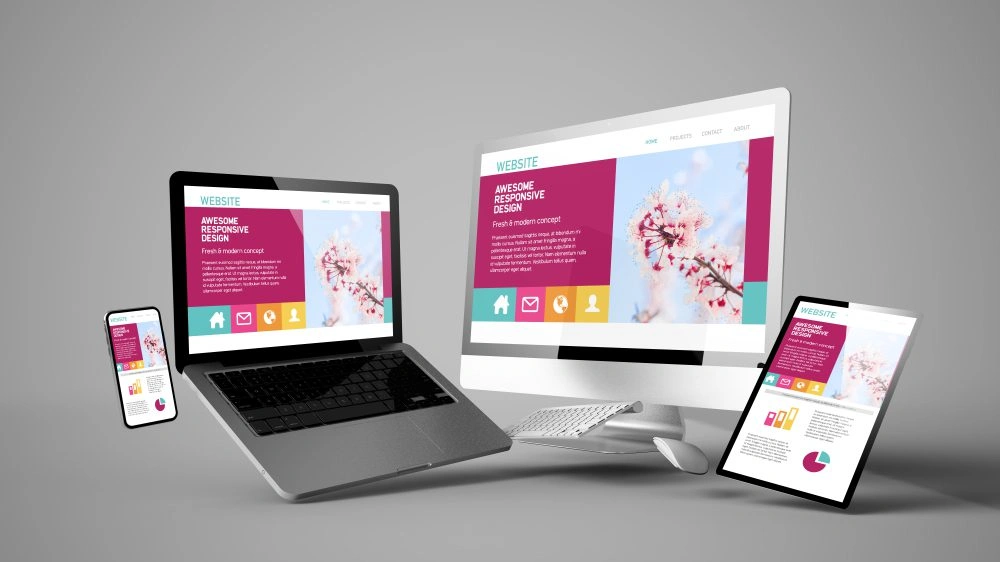
- Mobile-responsive design.
- Fast loading speed.
- Easy navigation.
- Online admission forms.
- Program and course information.
- Staff profiles.
- Student testimonials.
- News and events updates.
- Contact information.
A well-designed website not only enhances user experience but also improves search engine rankings, helping more people discover your institution online.
Schools should regularly update their websites with fresh content to keep visitors informed and engaged.
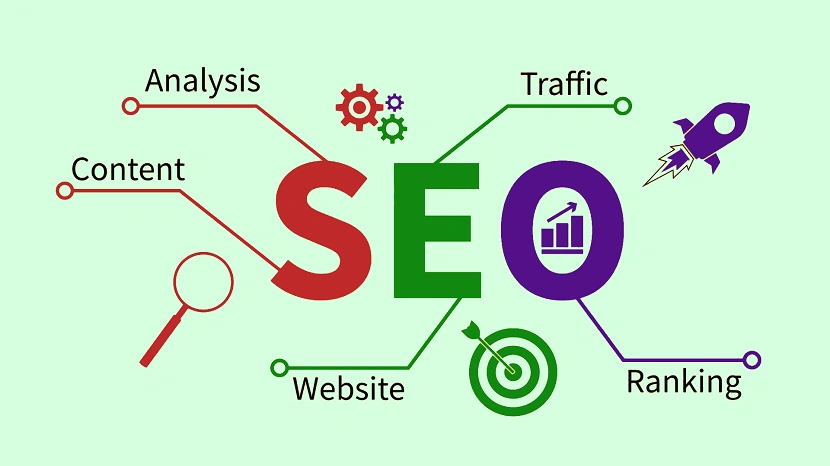
Leverage Search Engine Optimization (SEO)
Search Engine Optimization (SEO) is essential for increasing online visibility. When parents or students search for schools, colleges, or educational programs online, institutions that appear on the first page of search results gain a significant advantage.
Effective SEO strategies include:
- Using relevant educational keywords.
- Optimizing page titles and meta descriptions.
- Publishing informative blog content.
- Creating location-based pages.
- Improving website speed.
- Building quality backlinks.
- Optimizing images and multimedia content.
For example, a school can target keywords such as “best secondary school in Kampala,” “top international schools,” or “ICT training courses near me” to attract relevant traffic.
SEO delivers long-term results and helps institutions generate organic leads without relying solely on paid advertising.
Utilize Social Media Marketing
Social media has become a powerful communication and marketing tool for educational institutions. Platforms such as Facebook, Instagram, LinkedIn, TikTok, and X provide opportunities to engage with students, parents, alumni, and the broader community.
Schools can use social media to:
- Share student achievements.
- Promote events and activities.
- Showcase campus life.
- Highlight academic programs.
- Publish educational content.
- Engage with prospective students.
Visual content such as photos, videos, and live streams often generates higher engagement than text-only posts.
Consistency is key. Institutions should maintain an active posting schedule and respond promptly to comments and messages to foster trust and engagement.
Create Valuable Content Marketing Campaigns
Content marketing helps educational institutions establish authority and build trust with prospective students and parents.
Useful content may include:
- Educational blogs.
- Admission guides.
- Career advice articles.
- Student success stories.
- Faculty interviews.
- Video tours.
- Parent resources.
- Research publications.
Quality content answers common questions and addresses concerns that prospective students may have during the decision-making process.
Educational institutions that consistently publish informative content are more likely to attract organic website traffic and improve conversion rates.
Implement Email Marketing Strategies
Email marketing remains one of the most effective channels for nurturing relationships with prospective and current students.
Schools can use email marketing to:
- Send admission updates.
- Share newsletters.
- Promote events.
- Announce deadlines.
- Provide academic updates.
- Engage alumni.
Personalized email campaigns often achieve higher open and response rates than generic messages.
By segmenting audiences based on interests, academic levels, or enrollment status, institutions can deliver more relevant and impactful communication.
Showcase Student Success Stories
Nothing builds credibility more effectively than real success stories from students and alumni.
Prospective students and parents want evidence that an institution can deliver quality education and positive outcomes.
Consider featuring:
- Alumni achievements.
- Scholarship recipients.
- Academic award winners.
- Career success stories.
- Testimonials from parents.
- Student project showcases.
These stories create emotional connections and demonstrate the value of your educational programs.
Video testimonials are particularly powerful because they provide authenticity and build trust more effectively than written reviews alone.
Use Video Marketing to Increase Engagement
Video content continues to dominate digital marketing because it captures attention and communicates messages effectively.
Educational institutions can create videos that feature:
- Campus tours.
- Classroom activities.
- Student interviews.
- Teacher introductions.
- Graduation ceremonies.
- Special events.
- Program overviews.
Video marketing allows prospective students to experience the institution before visiting in person.
Platforms such as YouTube, Facebook, Instagram Reels, and TikTok offer excellent opportunities to reach broader audiences and increase engagement.
Invest in Paid Digital Advertising
While organic marketing delivers long-term benefits, paid advertising can provide immediate visibility and lead generation.
Schools can leverage:
- Google Ads.
- Facebook Ads.
- Instagram Ads.
- LinkedIn Ads.
- YouTube Advertising.
Targeted advertising enables institutions to reach specific demographics based on age, location, interests, and educational goals.
For example, a university can target prospective students searching for degree programs, while a training center can focus on professionals seeking certification courses.
Paid campaigns should be continuously monitored and optimized to maximize return on investment.
Encourage Online Reviews and Reputation Management
Online reputation plays a major role in enrollment decisions. Parents and students often research reviews before selecting a school or institution.
Encourage satisfied students and parents to leave positive reviews on:
- Google Business Profile.
- Facebook.
- Educational directories.
- School review platforms.
Additionally, institutions should actively monitor and respond to reviews, both positive and negative.
Professional responses demonstrate accountability and commitment to continuous improvement.
A strong online reputation can significantly influence prospective students during the evaluation process.
Build Strategic Partnerships
Partnerships can help educational institutions expand their reach and strengthen their reputation.
Potential partnerships may include:
- Local businesses.
- Technology companies.
- Government agencies.
- Community organizations.
- International institutions.
- Industry associations.
Collaborative programs, internships, sponsorships, and community projects create additional opportunities for visibility and student engagement.
Strategic partnerships also enhance the institution’s credibility and provide students with valuable learning experiences.
Organize Events and Open Days
Open days and educational events provide excellent opportunities for prospective students and parents to experience the institution firsthand.
Events may include:
- Campus tours.
- Career fairs.
- Education expos.
- Parent engagement sessions.
- Workshops and seminars.
- Student exhibitions.
These events help build trust by allowing visitors to interact with faculty, staff, and current students.
Hybrid and virtual events can further expand reach by attracting participants from different locations.
Leverage Marketing Automation Tools
Marketing automation enables schools to streamline communication and improve efficiency.
Automation tools can help institutions:
- Track inquiries.
- Manage leads.
- Schedule emails.
- Monitor engagement.
- Generate reports.
- Follow up with prospective students.
Automated workflows ensure that no lead is overlooked and that prospective students receive timely information throughout the enrollment journey.
This approach improves conversion rates while reducing administrative workload.
Optimize for Mobile Users
Mobile devices account for a significant portion of internet traffic. Many prospective students and parents browse educational websites using smartphones and tablets.
To improve mobile experience:
- Use responsive website design.
- Optimize page loading speed.
- Simplify navigation.
- Create mobile-friendly forms.
- Ensure readable content formatting.
A poor mobile experience can result in lost opportunities and lower conversion rates.
Institutions that prioritize mobile optimization are better positioned to engage today’s digital-first audience.
Utilize Data Analytics for Better Decision-Making
Data-driven marketing helps institutions understand audience behavior and improve campaign performance.
Key metrics to monitor include:
- Website traffic.
- Conversion rates.
- Enrollment inquiries.
- Email open rates.
- Social media engagement.
- Advertising performance.
Analytics provide insights into what strategies are working and where improvements are needed.
By continuously analyzing data, educational institutions can make informed decisions and allocate marketing resources more effectively.
Focus on Community Engagement
Schools and institutions thrive when they maintain strong relationships with their communities.
Community engagement initiatives may include:
- Charity events.
- Community service programs.
- Educational workshops.
- Public lectures.
- Local sponsorships.
These activities strengthen the institution’s reputation and demonstrate social responsibility.
A positive community presence often leads to increased referrals and stronger public trust.
Conclusion
The education sector is becoming increasingly competitive, making strategic marketing essential for schools and institutions seeking sustainable growth and higher enrollment rates. Success requires a combination of strong branding, digital marketing, SEO, content creation, social media engagement, reputation management, and data-driven decision-making.
Educational institutions that embrace modern marketing practices are better positioned to attract prospective students, engage parents, strengthen their reputation, and achieve long-term success.
At Kenlink Technologies, we help schools, colleges, universities, and training institutions leverage innovative digital marketing solutions to increase visibility, generate quality leads, and improve enrollment outcomes. From professional website development and SEO services to social media marketing and digital transformation solutions, our team is committed to helping educational institutions thrive in the digital age.
By implementing the strategies outlined above, your institution can build a stronger brand, reach the right audience, and create lasting educational impact in an increasingly connected world.