
How much is Tourism Website. Our broader guide to how much a website costs in Uganda covers general pricing across every industry. Tourism deserves its own guide, because a tour operator, safari company, or travel agency website genuinely isn’t priced or built like a typical local business site. It’s usually selling to an international audience rather than a local one, it’s competing in a search results page against operators worldwide rather than just down the street, and it needs to build trust with someone who has never met you and is about to send a deposit from another continent. This guide breaks down what a tourism website specifically needs, what it costs, and why the number often looks different from a standard business site quote.
Why Tourism Websites Cost More Than a Typical Business Site
A local consultancy or landscaping business mostly needs to be found by people already nearby searching in their own city. A tourism business usually needs to be found by someone in Europe, North America, or elsewhere searching in a highly competitive, keyword-rich space — “gorilla trekking Uganda,” “Bwindi safari,” “Uganda tour operator” — against hundreds of other operators, some with much larger marketing budgets. That single difference changes almost everything about how the site needs to be built: more content, stronger SEO from day one, better photography, and a design built to convert an anonymous visitor into a genuine inquiry rather than simply displaying information. Our website designing service accounts for this from the start of a tourism project rather than treating it the same as a standard brochure site.
What Makes a Tourism Website Genuinely Different
A handful of features come up again and again in tourism sites that rarely appear on a typical local business site. Individual tour and itinerary pages, often dozens of them, each targeting a specific trip or destination. A visual-heavy design built around photography and, increasingly, video, since travel is a visually driven purchase decision. An inquiry or booking system, ranging from a simple contact form to a full payment-enabled booking engine. Multi-currency pricing display for an international audience used to seeing costs in their own currency. And a blog or content section that exists specifically to rank for the long list of destination and activity keywords a general business site would never need. Each of these adds real development time on top of a standard site build, which is reflected directly in the final cost.
Entry-Level Tourism Websites: Informational Only
At the most basic tier, a tourism website functions purely as an online brochure — an overview of the company, a handful of tour packages described in text, photos, and a contact form. This tier is the closest in cost to a standard business website, though it’s worth building with tourism-specific SEO in mind from the start even at this level, since retrofitting search optimization later costs more than building it in from the beginning. This tier suits a brand-new operator who needs credibility online quickly but isn’t yet ready to invest in a larger content and booking infrastructure.
Mid-Tier: Content-Rich Tour Operator Sites
Most established tour operators land in this middle tier, which includes a genuinely useful volume of individual tour and destination pages, a functioning blog for ongoing SEO content, a professional photo gallery, and a proper inquiry system that routes leads directly to your team rather than a generic contact form. This is also the tier where tourism-specific SEO work starts to matter most, since ranking for competitive international search terms takes considerably more sustained effort than ranking for a local service search. Our SEO service and content creation service are usually bundled together for tourism clients at this tier, since the website build and the ongoing content strategy genuinely need to work as one system rather than two separate purchases.
Advanced: Booking-Enabled Platforms With Payment Integration
At the top tier sit tourism platforms with genuine booking functionality — real-time availability, deposit or full payment processing, and often integration with international payment gateways alongside local mobile money options. This is a meaningfully more complex build than a standard content site, closer in scope to the custom web applications described in our general pricing guide, and it’s priced accordingly. Operators considering this tier should expect a proper scoping conversation rather than a quick quote, since booking logic, payment security, and integration requirements vary enormously between businesses.
Real Examples From Our Tourism Portfolio
Rather than talking purely in the abstract, it’s worth looking at real tourism projects we’ve delivered. Kaara Adventures, a Uganda-based gorilla trekking and safari operator, illustrates exactly the mid-tier structure described above — their gorilla trekking page and Tanzania wildlife safaris page both show individual destination pages built around specific, searchable trip types, while their about page handles the trust-building side of the site. Their broader Uganda safaris page and dedicated wildlife viewing page both show how a tour operator’s site can be structured around distinct traveler intents rather than a single generic “tours” listing, and their wildlife safari cost article is a good example of the kind of cost-transparency content that builds trust with an international audience before they’ve ever made contact.
Pick and Transfer, a car hire and transfer business serving the same travel market, shows how a logistics-focused tourism business benefits from the same content approach, including their detailed Murchison Falls car rental guide, exactly the kind of destination-specific content page that helps a travel business rank for long-tail international search terms.
On the education side of the tourism sector, Uganda Tourism Institute and its course listings show how the same content-first approach applies to training the next generation of tourism professionals rather than selling trips directly, a useful reminder that “tourism website” covers more than just tour operators themselves.
Multi-Currency and International Payment Considerations
Because most tourism customers are booking from abroad, displaying prices in familiar currencies — typically USD alongside UGX — is worth budgeting for even at a mid-tier build, since forcing an international visitor to mentally convert shillings adds unnecessary friction to a purchase decision. Full payment processing adds another layer entirely, since accepting international card payments alongside mobile money requires integration with gateways that support both, and this is one of the areas where tourism sites diverge most sharply in cost from a standard local business build. Our web hosting and consultancy service covers how we advise clients on selecting hosting and infrastructure that supports this kind of international payment reliability without slowing the site down for visitors browsing from outside Uganda.
Why Content and SEO Matter More Here Than Almost Anywhere Else
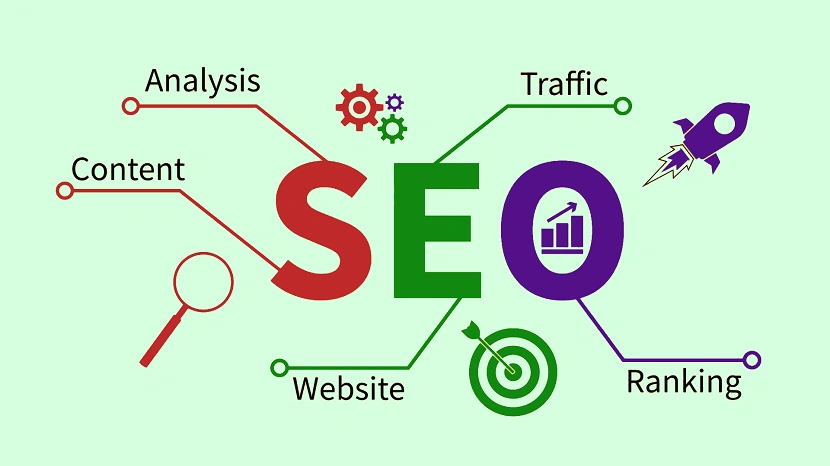
A tourism business lives or dies by organic search visibility in a way few other industries do, since most travelers researching a trip start with a search engine months before booking. This is why we treat SEO and content as inseparable from the build itself for tourism clients rather than an optional extra considered after launch. Our one-page SEO tips article covers foundational practices worth applying from day one, and for tourism specifically, a genuinely active blog — covering destinations, practical travel tips, and seasonal content — tends to be one of the highest-return investments a travel business can make in its own website, considerably more so than for a typical local service business.
Comparing Options: Local Agency vs. International Travel Specialist
Some tourism operators end up comparing quotes from a local Uganda agency against international “travel specialist” firms serving the tourism industry specifically, and it’s worth understanding why those numbers can look dramatically different. International specialist agencies price for markets accustomed to considerably higher web development rates, and while their travel-specific experience is real, a locally based agency with genuine tourism sector experience can often deliver comparable quality — Uganda-specific SEO knowledge, local hosting relationships, and direct communication in the same time zone — at meaningfully lower cost. Our page on the best web designing companies in Kisoro is a useful read if you’re comparing local providers specifically in that region of the country.
Mobile Speed and Photography: Why They Matter More for Tourism
Tourism websites are unusually photo-heavy by nature, which creates a genuine tension with page load speed, and international visitors researching on mobile data connections abroad are especially sensitive to slow-loading pages. Getting this balance right — genuinely good photography without a site that takes ten seconds to load — takes more careful technical work than a typical text-driven business site, and it’s worth confirming with any provider how they handle image optimization specifically, since this detail is often glossed over in a general quote.
Trust Signals: Reviews, Certifications, and Testimonials
Because tourism purchases involve a stranger sending money to a business they’ve never visited, trust signals matter more here than almost any other website category. TripAdvisor integration, displayed reviews, industry association logos, and genuine client testimonials all belong on a well-built tourism site, and they’re worth budgeting design and development time for rather than treating as an afterthought bolted on after launch.
Ongoing Costs Specific to Tourism Sites
Beyond the general hosting, domain, and maintenance costs covered in our broader pricing guide, tourism sites carry a few additional ongoing costs worth planning for: regular content updates as tours, pricing, and seasons change, periodic photography refreshes, and sustained SEO investment given how competitive international travel search terms remain. Our website maintenance service and content creation service are both worth budgeting into an ongoing tourism website plan from the outset, rather than treating them as costs to consider only after the initial build. Our blog covers related planning topics too, including our note on how IT solutions help businesses stay competitive, which applies directly to tourism operators competing against better-funded international travel brands online.
How to Budget for Your Tourism Website
The right starting point is being honest about where your business actually sits: a brand-new operator building initial credibility needs a different investment than an established company competing for top search rankings against dozens of international competitors. Browsing our portfolio is a useful way to see the range of tourism and travel work we’ve delivered, and our about us page covers our background if you want context on who you’d be working with. Our page on why we’re a trusted IT company in Uganda is also worth a read if you’re comparing providers, since tourism clients in particular benefit from a partner who understands the industry’s specific demands rather than a generalist agency treating every project the same way. From there, a direct conversation through our contact page is the only reliable way to get a number that reflects your specific tour offerings, target markets, and growth goals rather than a generic estimate.
Frequently Asked Questions
Why does a tourism website cost more than a typical business site? Tourism sites need more content, stronger SEO to compete internationally, richer photography, and often booking functionality, all of which add real development time beyond a standard brochure site.
Do I need a full booking engine from day one? Not necessarily — many operators launch with a strong inquiry system and add full payment-enabled booking once demand justifies the additional investment.
How important is SEO for a tourism website specifically? Extremely — most travelers research online months before booking, and organic search visibility is often the single biggest driver of new inquiries for a tourism business.
Should prices be shown in USD or Ugandan shillings? Displaying both, with USD prominent for international visitors, generally reduces friction for the audience most tourism businesses are actually trying to reach.
What’s the biggest ongoing cost most tourism businesses underestimate? Content — keeping tour pages, blog posts, and photography current is an ongoing investment, not a one-time task completed at launch.
Final Thoughts
A tourism website isn’t just a website with travel photos on it — it’s a specialized sales and marketing tool built to convert strangers from around the world into paying guests, and it needs to be priced and built with that job in mind. The right investment depends on where your business is today and how aggressively you’re competing for international search visibility, but skimping on content, SEO, or trust-building features tends to cost more in lost bookings than it saves upfront. If you’d like a proper quote scoped to your specific tours and target markets, reach out to our team at Kenlink Technologies through our contact page.