Benefits of Learning Website Design Skills. In today’s digital world, having an online presence is no longer optional for businesses, organizations, and even individuals. Websites have become the foundation of communication, marketing, customer engagement, and business growth. As companies increasingly invest in their digital presence, the demand for website design professionals continues to grow across industries.
Website design is more than simply creating attractive web pages. It involves combining creativity, technical knowledge, user experience principles, and problem-solving skills to build websites that are functional, responsive, and engaging. Whether you are a student, entrepreneur, freelancer, business owner, or ICT professional, learning website design skills can open doors to numerous personal and professional opportunities.
At Kenlink Technologies, we recognize the growing importance of website design in today’s technology-driven economy. We have seen firsthand how individuals equipped with web design skills can enhance their careers, generate income, support businesses, and contribute to digital innovation. This article explores the many benefits of learning website design skills and why they remain among the most valuable competencies in the modern workforce.
Website Design Skills Are in High Demand
One of the biggest advantages of learning website design is the increasing demand for professionals who can create and maintain websites.
Businesses of all sizes need websites to:
- Promote products and services
- Build brand awareness
- Engage customers
- Generate leads
- Sell products online
- Provide information and support
As more organizations embrace digital transformation, the need for skilled website designers continues to rise. From startups and small businesses to multinational corporations, employers actively seek individuals who understand modern web design principles.
Learning website design can therefore increase your employability and provide access to diverse career opportunities.
Opens Up Numerous Career Opportunities
Website design skills can lead to various career paths within the technology and digital industries.
Some of the most common roles include:
- Web Designer
- Front-End Developer
- UI Designer
- UX Designer
- Website Administrator
- WordPress Developer
- Digital Marketing Specialist
- E-commerce Specialist
- Freelance Web Designer
- Creative Technologist
Because websites are essential across nearly every industry, web design professionals enjoy opportunities in sectors such as education, healthcare, finance, retail, government, media, and nonprofit organizations.
This versatility makes website design one of the most flexible and valuable technical skills to acquire.
Enables Freelancing and Remote Work Opportunities
Freelancing has become increasingly popular, particularly within the technology sector. Website design is one of the most accessible and profitable freelance services available today.
Many businesses prefer hiring freelance designers for website projects because it allows them to access specialized expertise without maintaining full-time staff.
Learning website design enables individuals to:
- Work independently
- Serve clients globally
- Build personal brands
- Earn supplemental income
- Create flexible work schedules
Remote work opportunities are also abundant for web designers. Since most website projects can be completed online, designers often enjoy location-independent careers that offer greater flexibility and work-life balance.
Helps You Build Your Own Website
One of the most practical benefits of learning website design is the ability to create and manage your own website.
Whether you are:
- A business owner
- A freelancer
- A blogger
- A student
- An entrepreneur
Having website design skills allows you to establish a professional online presence without relying entirely on external service providers.
You can create:
- Business websites
- Personal portfolios
- Blogs
- E-commerce stores
- Educational platforms
- Community websites
This capability can save money while giving you complete control over your online identity and digital assets.
Supports Entrepreneurial Success
Entrepreneurs increasingly depend on websites to attract customers and grow their businesses.
Learning website design empowers entrepreneurs to:
- Launch websites quickly
- Update content independently
- Test new business ideas
- Improve online marketing efforts
- Reduce operational costs
Instead of outsourcing every website modification, entrepreneurs with web design knowledge can make changes themselves, improving efficiency and reducing dependence on third-party developers.
This flexibility is particularly valuable for startups and small businesses operating with limited budgets.
Enhances Creativity and Innovation
Website design combines technology with creativity.
Designers regularly make decisions about:
- Layouts
- Color schemes
- Typography
- User interfaces
- Visual elements
- Content presentation
These activities encourage creative thinking while challenging designers to solve practical problems.
Learning website design helps individuals develop:
- Visual communication skills
- Creative problem-solving abilities
- Design thinking
- Innovation skills
These competencies are valuable not only in technology careers but also in marketing, business development, and entrepreneurship.
Improves Technical Knowledge
Website design introduces learners to a variety of technical concepts and tools.
Common areas of learning include:
- HTML
- CSS
- JavaScript
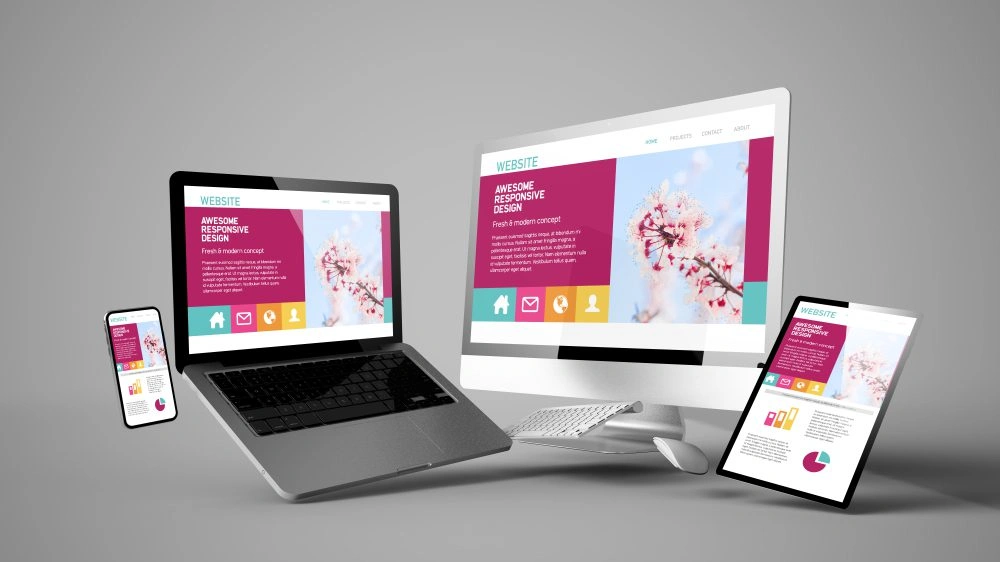
- Responsive design
- Content management systems
- Web hosting
- Domain management
- Website security
As learners progress, they gain a deeper understanding of how websites function and how digital systems interact.
This technical foundation can serve as a stepping stone into broader ICT fields such as software development, cybersecurity, cloud computing, and digital marketing.
Strengthens Problem-Solving Skills
Website design involves continuous problem-solving.
Designers frequently encounter challenges such as:
- Layout inconsistencies
- Mobile responsiveness issues
- Browser compatibility problems
- Website performance concerns
- User experience obstacles
Finding solutions requires logical thinking, attention to detail, and analytical skills.
As individuals gain experience, they become more effective at identifying issues, evaluating alternatives, and implementing practical solutions.
Strong problem-solving abilities are highly valued by employers across numerous industries.
Provides a Foundation for Digital Marketing
Website design and digital marketing are closely connected.
A well-designed website supports marketing goals by:
- Improving user experience
- Enhancing search engine visibility
- Increasing conversion rates
- Encouraging customer engagement
Learning website design helps individuals understand how websites contribute to:
- Search Engine Optimization (SEO)
- Content marketing
- Email marketing
- Social media campaigns
- Lead generation strategies
This knowledge is especially valuable for professionals pursuing careers in digital marketing and online business development.
Increases Earning Potential
Website design is a skill that can generate income through various channels.
Professionals may earn through:
- Full-time employment
- Freelancing
- Consulting services
- Website maintenance contracts
- Agency work
- E-commerce ventures
As expertise grows, designers often gain access to higher-paying opportunities and more complex projects.
Organizations are willing to invest in skilled web professionals because websites directly impact business performance, customer engagement, and revenue generation.
Supports Business Digital Transformation
Digital transformation has become a priority for organizations worldwide.
Businesses increasingly require websites that:
- Deliver seamless user experiences
- Integrate with business systems
- Support online transactions
- Facilitate customer communication
Individuals with website design skills can contribute to digital transformation initiatives by helping organizations modernize their online presence and improve operational efficiency.
This makes web design expertise highly relevant in today’s business environment.
Teaches User Experience (UX) Principles
Successful websites are designed with users in mind.
Website design introduces learners to User Experience (UX) concepts such as:
- User behavior
- Navigation design
- Accessibility
- Information architecture
- Customer journeys
Understanding UX helps designers create websites that are intuitive, efficient, and satisfying to use.
Organizations increasingly prioritize user-centered design because positive experiences improve customer retention and satisfaction.
Encourages Continuous Learning
The technology industry evolves rapidly, and website design is no exception.
New frameworks, tools, design trends, and technologies emerge regularly.
Learning website design encourages individuals to develop a mindset of continuous improvement by:
- Staying updated with trends
- Exploring new tools
- Learning emerging technologies
- Adapting to industry changes
This habit of lifelong learning is beneficial in virtually every professional field.
Enhances Collaboration Skills
Website projects often involve collaboration among multiple stakeholders.
Designers may work with:
- Developers
- Content creators
- Digital marketers
- Project managers
- Business owners
- Clients
Effective collaboration requires communication, teamwork, and project coordination skills.
Learning website design helps individuals become more comfortable working in multidisciplinary environments where cooperation is essential for success.
Provides Opportunities in E-Commerce
The rapid growth of online shopping has increased demand for professionals who can create effective e-commerce websites.
Website design skills enable individuals to build and manage:
- Online stores
- Product catalogs
- Payment integrations
- Customer portals
- Shopping cart systems
E-commerce expertise is particularly valuable as businesses continue expanding their online sales channels.
Designers who understand e-commerce functionality can support businesses in reaching wider audiences and increasing revenue.
Helps Build a Professional Portfolio
Website design projects provide tangible evidence of skills and expertise.
As learners complete projects, they can build portfolios showcasing:
- Design abilities
- Technical knowledge
- Creativity
- Problem-solving skills
A strong portfolio often carries significant weight during job applications and client evaluations.
Unlike some professions where achievements are difficult to demonstrate, web designers can present completed projects that clearly illustrate their capabilities.
Increases Job Security in a Digital Economy
As organizations continue investing in digital platforms, website design skills remain highly relevant.
Businesses require ongoing website:
- Development
- Maintenance
- Optimization
- Security updates
- Content improvements
This ongoing demand contributes to job stability and long-term career opportunities for web professionals.
Individuals who continuously update their skills are well-positioned to remain competitive in an evolving employment market.
Why Students Should Learn Website Design Early
Students who begin learning website design while still in school gain several advantages.
Early exposure allows them to:
- Build portfolios before graduation
- Develop practical experience
- Earn freelance income
- Secure internships
- Strengthen resumes
- Explore technology careers
By graduation, students with web design experience often stand out among peers who possess only theoretical knowledge.
Practical skills can significantly improve employability and career readiness.
How Kenlink Technologies Supports Website Design Learning
At Kenlink Technologies, we believe that website design is one of the most valuable skills for individuals seeking success in the digital economy.
We encourage learners to:
- Develop practical web design skills
- Explore modern design tools
- Build professional portfolios
- Understand user experience principles
- Stay updated with industry trends
Through training, mentorship, and real-world project exposure, aspiring web designers can gain the knowledge and confidence needed to excel in today’s technology landscape.
The Future of Website Design
The future of website design remains bright as businesses continue prioritizing digital engagement.
Emerging trends include:
- Artificial Intelligence integration
- Responsive design advancements
- Voice search optimization
- Interactive user experiences
- Accessibility improvements
- Progressive web applications
- Personalized content delivery
Professionals who invest in website design skills today will be well-positioned to take advantage of future opportunities as digital technologies continue evolving.
Conclusion
Learning website design skills offers numerous benefits for students, professionals, entrepreneurs, and businesses alike. From expanding career opportunities and increasing earning potential to supporting entrepreneurship and digital transformation, web design remains one of the most practical and versatile skills in the modern digital economy.
Website design combines creativity, technical expertise, problem-solving, and user-centered thinking, making it valuable across a wide range of industries and professions. Whether your goal is employment, freelancing, business growth, or personal development, mastering website design can provide a strong foundation for long-term success.
At Kenlink Technologies, we encourage aspiring technology professionals to embrace website design as a powerful tool for career advancement and innovation. By continuously learning, building practical experience, and staying current with industry developments, individuals can unlock exciting opportunities and thrive in an increasingly digital world.