
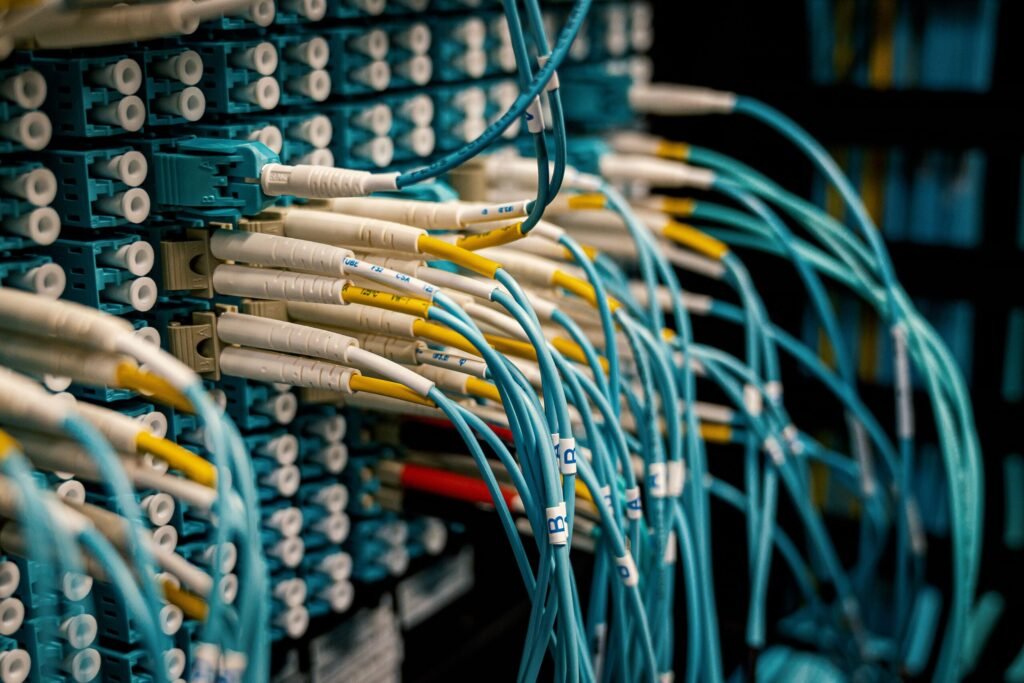
Importance of Networking for ICT Students. In today’s digital world, Information and Communication Technology (ICT) is the backbone of nearly every industry. From banking systems and healthcare platforms to education, government services, and business operations, everything depends on reliable and efficient networks. As technology continues to evolve, the demand for skilled ICT professionals who understand networking has grown significantly.
Networking is one of the most fundamental areas of ICT because it enables communication between computers, devices, systems, and users. Without networking, the digital world as we know it would not exist. For ICT students, learning networking is not just an academic requirement—it is a critical career skill that opens doors to numerous opportunities in the technology industry.
At Kenlink Technologies, we recognize that networking is a core pillar of ICT education and professional development. Students who master networking concepts gain a strong foundation that prepares them for careers in system administration, cybersecurity, cloud computing, and network engineering.
This article explores the importance of networking for ICT students and how it contributes to academic success, employability, and long-term career growth.
Understanding Networking in ICT
Networking refers to the practice of connecting computers and devices so they can communicate and share resources such as data, files, and applications. These connections can be wired or wireless and can range from small local networks to large global systems like the internet.
Key components of networking include:
- Computers and devices
- Routers and switches
- Transmission media (cables, fiber optics, wireless signals)
- Network protocols
- IP addressing systems
- Servers and network services
Networking enables communication across different systems and ensures that information flows efficiently and securely.
For ICT students, understanding these components is essential for building a strong technical foundation.
Networking as the Backbone of Modern Technology
Networking is often referred to as the backbone of modern ICT systems because it supports all digital communication and data exchange.
Every online activity depends on networks, including:
- Browsing websites
- Sending emails
- Streaming videos
- Online banking
- Cloud storage access
- Mobile communication
Without networking, none of these services would function.
ICT students who understand how networks operate gain insight into how technology systems are built and maintained. This knowledge is crucial for roles in IT support, system administration, and network engineering.
High Demand for Networking Skills in the Job Market
The demand for networking professionals continues to grow as organizations expand their digital infrastructure.
Employers are actively seeking individuals with skills in:
- Network configuration
- System administration
- Cybersecurity
- Cloud networking
- Network troubleshooting
- Infrastructure management
ICT students with networking knowledge are highly employable because almost every organization requires network support to maintain daily operations.
Industries such as telecommunications, banking, healthcare, education, and government services all rely heavily on network professionals.
This makes networking one of the most valuable ICT skills in the job market.
Networking Builds a Strong ICT Foundation
Networking is considered a foundational subject in ICT because it introduces students to essential concepts used in all areas of technology.
By learning networking, students gain knowledge of:
- How data is transmitted
- How devices communicate
- How internet systems work
- How security is maintained
- How systems are interconnected
This foundational understanding helps students excel in advanced ICT fields such as:
- Cybersecurity
- Cloud computing
- Software development
- Data science
- System administration
Without networking knowledge, it becomes difficult to fully understand how modern ICT systems operate.
Career Opportunities in Networking
Networking offers a wide range of career opportunities for ICT students. It is not limited to one job role but spans multiple career paths.
Some common networking careers include:
- Network administrator
- Network engineer
- System administrator
- IT support specialist
- Infrastructure technician
- Cloud network engineer
- Cybersecurity analyst
Each of these roles plays a critical part in maintaining and securing organizational systems.
As businesses continue to expand their digital infrastructure, the need for networking professionals continues to increase.
This makes networking a stable and rewarding career path.
Networking and Cybersecurity Connection
Networking plays a major role in cybersecurity. To protect systems and data, professionals must first understand how networks function.
ICT students who study networking gain valuable insights into:
- Network vulnerabilities
- Data transmission risks
- Security protocols
- Firewalls and intrusion detection systems
- Secure communication methods
Cybersecurity professionals rely heavily on networking knowledge to identify threats and protect systems from attacks.
Without networking skills, it becomes difficult to secure digital environments effectively.
This makes networking an essential starting point for anyone interested in cybersecurity careers.
Practical Skills Gained from Networking
Networking is a highly practical field that allows ICT students to gain hands-on experience.
Through networking training, students learn how to:
- Configure routers and switches
- Set up local area networks (LANs)
- Troubleshoot connectivity issues
- Assign IP addresses
- Manage network devices
- Monitor network performance
These practical skills are essential for real-world ICT jobs.
Employers value candidates who can apply networking knowledge in practical environments rather than just theoretical understanding.
Hands-on networking experience significantly improves job readiness.
Networking Enhances Problem-Solving Abilities
Networking challenges often require critical thinking and problem-solving skills.
ICT students frequently encounter issues such as:
- Network connectivity failures
- Slow internet performance
- IP conflicts
- Hardware malfunctions
- Configuration errors
Solving these problems helps students develop analytical thinking and troubleshooting abilities.
These skills are not only useful in networking but also in other ICT fields and general workplace environments.
Problem-solving is one of the most important skills employers look for in ICT professionals.
Importance of Networking Certifications
Networking certifications provide students with professional validation of their skills.
Popular certifications include:
- Cisco Certified Network Associate (CCNA)
- CompTIA Network+
- Microsoft Certified: Azure Networking
- Cisco Certified Network Professional (CCNP)
These certifications demonstrate technical competence and improve employability.
ICT students who obtain networking certifications often have an advantage in the job market because employers trust certified professionals to handle critical systems.
Certifications also open doors to higher-paying job opportunities.
Networking and Cloud Computing
Cloud computing is one of the fastest-growing areas in ICT, and it heavily depends on networking.
Cloud platforms such as AWS, Microsoft Azure, and Google Cloud rely on networks to connect users to services and data.
ICT students with networking knowledge can easily transition into cloud computing roles because they understand:
- Virtual networks
- Cloud infrastructure
- Data transmission
- Remote connectivity
- Network security in cloud environments
This makes networking an essential foundation for cloud-related careers.
As more organizations move to cloud systems, networking skills become even more valuable.
Networking Supports Digital Transformation
Organizations worldwide are undergoing digital transformation, shifting from traditional systems to digital platforms.
Networking plays a key role in this transformation by enabling:
- Online communication systems
- Cloud-based applications
- Remote work environments
- Digital business operations
- Automated systems
ICT professionals with networking skills help organizations build and maintain these digital systems.
This makes networking a critical skill in modern business environments.
Building Communication and Collaboration Skills
Networking is not only technical but also collaborative.
ICT professionals often work in teams to design, implement, and maintain network systems.
Through networking projects, students develop:
- Teamwork skills
- Communication abilities
- Documentation practices
- Professional collaboration
- Project coordination skills
These soft skills are essential for workplace success.
Employers value ICT professionals who can communicate effectively and work well in teams.
Networking and Remote Work Opportunities
Networking skills open opportunities for remote work positions.
Many organizations hire remote network administrators and IT support specialists to manage systems from different locations.
ICT students with networking skills can work remotely in roles such as:
- IT support technician
- Network monitoring specialist
- System administrator
- Cloud support engineer
Remote work provides flexibility and access to global job opportunities.
This makes networking a valuable skill for students seeking international careers.
Networking Improves Technical Confidence
As ICT students learn networking concepts and practice real-world configurations, they gain confidence in handling technology systems.
This confidence comes from:
- Solving technical problems
- Configuring network devices
- Understanding system behavior
- Managing infrastructure tasks
Technical confidence is essential for professional growth and career advancement.
Students who are confident in their skills perform better in interviews and workplace environments.
Networking as a Path to Career Growth
Networking provides a strong foundation for long-term career development in ICT.
Professionals with networking skills can progress into advanced roles such as:
- Senior network engineer
- IT infrastructure manager
- Cybersecurity specialist
- Cloud solutions architect
- Technical consultant
Continuous learning and experience allow networking professionals to advance their careers over time.
Networking also serves as a gateway to other ICT fields, making it a versatile skill.
Why ICT Students Should Prioritize Networking
Networking is one of the most important skills for ICT students because it forms the foundation of modern technology systems.
Students who invest in learning networking gain:
- Strong technical knowledge
- Better job opportunities
- Practical experience
- Career flexibility
- Professional confidence
It is a skill that remains relevant across all areas of ICT and continues to grow in importance as technology evolves.
Building a Strong ICT Career with Networking Skills
Networking is the backbone of ICT and a critical skill for students who want to succeed in the technology industry. It provides the knowledge and practical experience needed to understand how systems communicate, how data flows, and how digital infrastructure is maintained.
At Kenlink Technologies, we emphasize the importance of networking as a core ICT skill that prepares students for real-world challenges. Whether you want to work in cybersecurity, cloud computing, system administration, or IT support, networking provides the foundation for your success.
By mastering networking skills, ICT students can build strong, stable, and rewarding careers in today’s digital economy.